
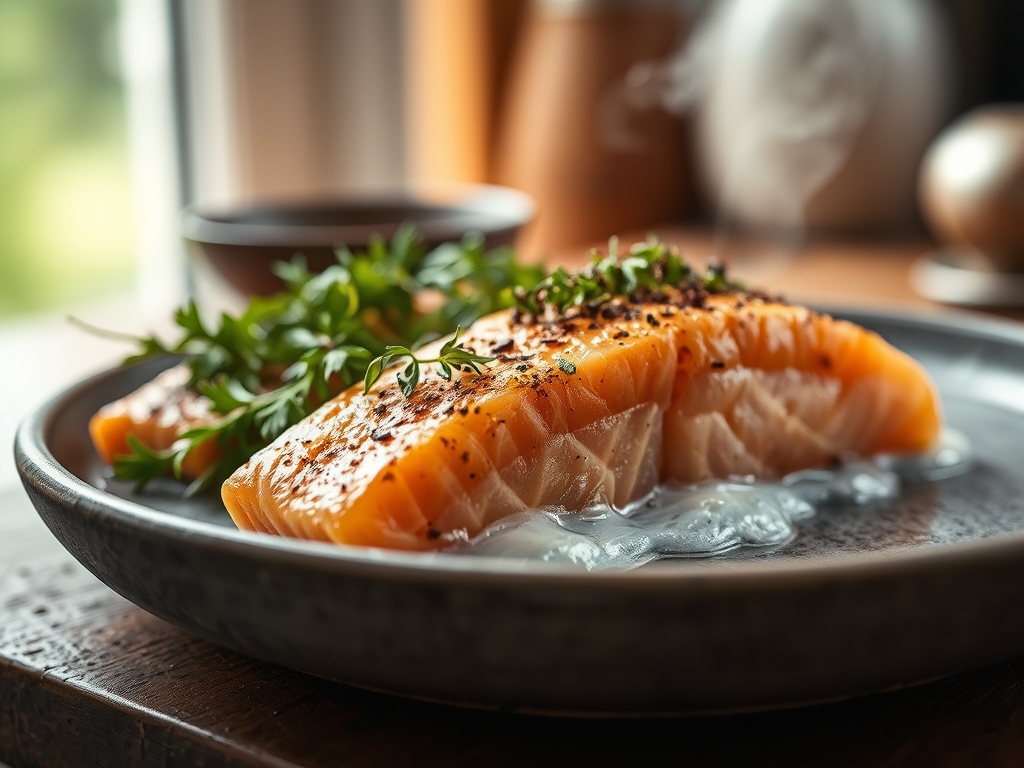
Imagine a kitchen filled with the scent of cold-water fat meeting the gentle kiss of alderwood smoke. It is a sensory experience that bridges the gap between raw elegance and charred comfort. When you master lightly smoked salmon recipes, you are not just cooking; you are managing a delicate chemical transition that preserves the fish's buttery silkiness while introducing a piquant, earthy depth. This is the ultimate dinner party flex. It is a dish that looks like a million dollars but relies entirely on your understanding of protein structures and thermal control. We are moving past the rubbery, over-salted fillets of the past and entering a world where the salmon flakes at the mere suggestion of a fork. This technique is about finesse. We are looking for that perfect gradient of color, from the pale pink of the interior to the burnished, smoky exterior. Whether you are serving this over a bed of lemon-zested risotto or flaking it into a sophisticated brunch spread, the goal is a texture so luxurious it feels illegal. Let us dive into the mechanics of the perfect smoke.
The Gathers:
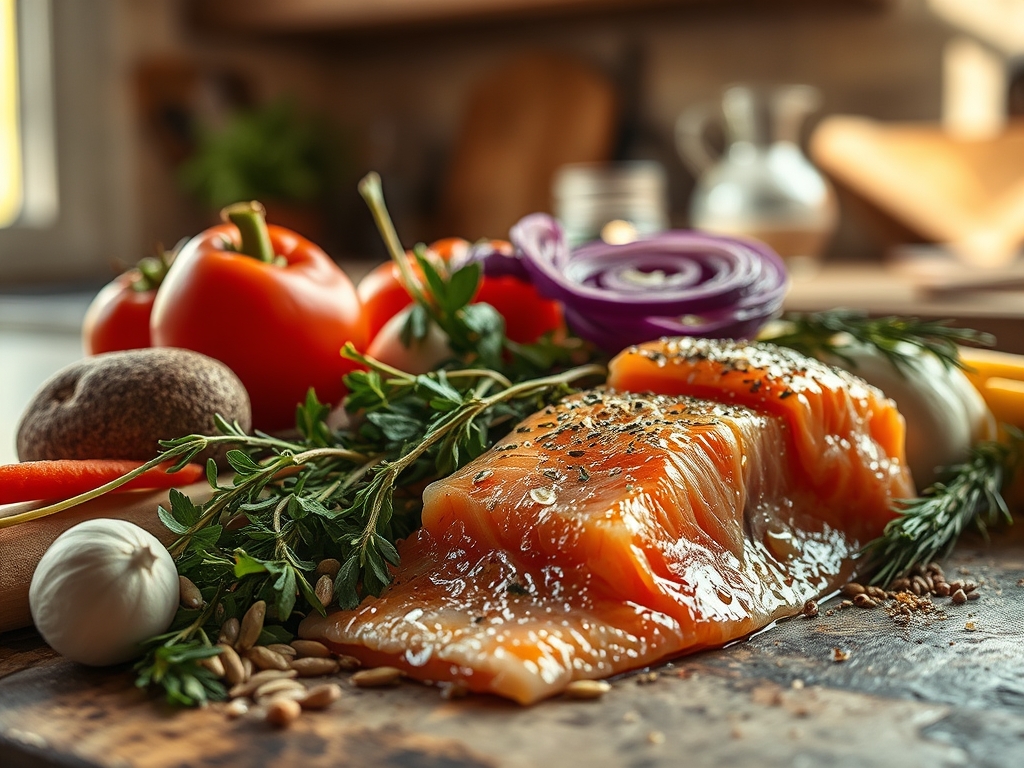
To execute these lightly smoked salmon recipes with precision, your mise-en-place must be flawless. Start with a two-pound side of sashimi-grade King or Sockeye salmon. The higher fat content of King salmon provides a more viscous mouthfeel, while Sockeye offers a leaner, more robust flavor profile. You will need high-quality Diamond Crystal kosher salt for the dry brine; its hollow crystal structure allows for even distribution without over-salting. For the aromatic component, gather fresh dill, cracked white peppercorns, and the zest of two Meyer lemons.
The smoking element requires wood chips. For a "light" profile, avoid heavy woods like hickory or mesquite. Instead, opt for alderwood or applewood, which impart a sweet, subtle finish. You will also need a high-smoke-point oil, such as grapeseed or avocado oil, to prevent sticking.
Smart Substitutions:
If you cannot find fresh salmon, high-quality frozen-at-sea (FAS) fillets are a scientifically sound alternative; the rapid freezing process prevents the formation of large ice crystals that can rupture cell walls. If you lack a dedicated smoker, a heavy-bottomed skillet or a Dutch oven lined with foil can act as a makeshift stovetop smoker. For a vegan alternative that mimics the texture, use large "steaks" of salt-roasted carrots, which provide a similar orange hue and carotene-rich sweetness.
The Clock
Efficiency in the kitchen is about the Chef's Flow. This is the art of overlapping tasks so that no second is wasted.
- Prep Time: 20 minutes (Zesting, portioning, and preparing the brine).
- Brining Time: 30 to 45 minutes (Crucial for protein denaturation).
- Smoking/Cook Time: 15 to 25 minutes (Depending on the thickness of the fillet).
- Resting Time: 10 minutes (Allowing for moisture redistribution).
The "Flow" begins with the brine. While the salt is working its magic on the salmon's surface, you should be preparing your smoking vessel and calibrating your digital scale or thermometer. Never wait for the salmon to be "ready" to start the heat; the smoker should be pre-heated and stabilized before the fish ever touches the grate.
The Masterclass
1. The Precision Dry Brine
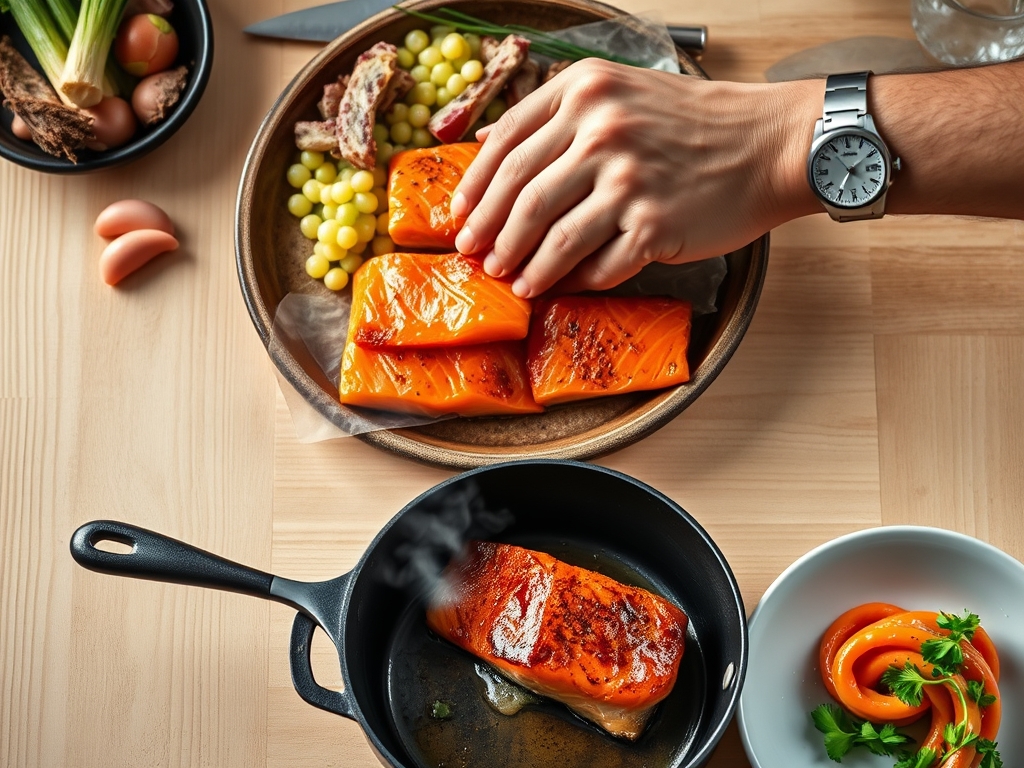
Pat the salmon completely dry with paper towels. Use a microplane to shower the flesh with lemon zest, then coat evenly with a mixture of salt and sugar. Let it sit at room temperature for 30 minutes.
Pro Tip: This process, known as osmosis, draws moisture out of the cells to create a concentrated brine, which is then reabsorbed. This seasons the fish deeply and tightens the protein structure, preventing the unsightly white albumin from leaking out during cooking.
2. Achieving the Pellicle
Rinse the brine off with cold water and pat the fish dry again. Place it on a wire rack in front of a small fan or in the refrigerator, uncovered, for another 30 minutes until the surface feels tacky.
Pro Tip: This tacky layer is called the pellicle. It is a thin film of proteins that acts as a "glue" for the smoke molecules. Without a proper pellicle, the smoke will not adhere to the fish, resulting in a dull flavor.
3. Calibrating the Smoke
Prepare your smoker or heavy-bottomed skillet. If using a skillet, place wood chips in the bottom, cover with foil, and set a wire rack on top. Heat until the first wisps of smoke appear.
Pro Tip: Maintain a temperature between 150F and 175F. This is low-temperature smoking. Keeping the heat low prevents the fat from rendering too quickly, which ensures the fillet remains succulent rather than oily.
4. The Gentle Infusion
Place the salmon on the rack, skin side down. Close the lid tightly to trap the smoke. Use a digital probe thermometer to monitor the internal temperature of the thickest part of the fish.
Pro Tip: Smoke particles are attracted to cold, moist surfaces. By keeping the fish slightly cool before it enters the smoker, you maximize the smoke absorption through the principle of thermophoresis.
5. Monitoring the Flake
Watch for the internal temperature to hit 125F for a medium-rare finish or 135F for a traditional flake. The color should be a vibrant, translucent coral.
Pro Tip: This is the stage of thermal carryover. Even after you remove the fish from the heat, the internal temperature will continue to rise by 3 to 5 degrees. Pulling the fish early prevents overcooking.
6. The Glaze and Finish
In the final five minutes, use a saucier to warm a mixture of maple syrup and Dijon mustard. Brush this lightly over the salmon.
Pro Tip: The sugars in the glaze undergo a mild Maillard reaction, creating a complex savory-sweet crust that complements the woodsy notes of the smoke.
7. The Rest Period
Transfer the salmon to a warm plate and tent loosely with foil. Let it rest for at least 10 minutes before slicing.
Pro Tip: Resting allows the viscous juices to settle back into the muscle fibers. If you cut it immediately, the moisture will escape, leaving the fish dry.
8. The Final Garnish
Use a bench scraper to clean your board, then garnish the salmon with fresh dill and a squeeze of charred lemon.
Pro Tip: Adding acid at the very end provides a piquant contrast to the heavy fats, brightening the overall flavor profile and "cutting" through the smoke.
The Deep Dive
Macro Nutrition: Lightly smoked salmon is a powerhouse of Omega-3 fatty acids, specifically EPA and DHA, which support brain health. A 6-ounce portion typically contains 34 grams of high-quality protein and approximately 300 calories, making it a nutrient-dense centerpiece.
Dietary Swaps:
- Keto: Replace the maple glaze with a monk fruit sweetener or simply use cracked black pepper and lemon.
- Vegan: Use the aforementioned salt-roasted carrot method, adding a drop of liquid smoke to the marinade.
- Gluten-Free: This recipe is naturally gluten-free; just ensure your mustard and wood chips are free from cross-contamination.
The Fix-It:
- The Fish is Dry: You likely missed the carryover window. To fix, flake the fish and fold it into a "fatty" medium like crème fraîche or Greek yogurt to restore moisture.
- Too Salty: If you over-brined, soak the fish in cold milk for 10 minutes. The calcium and proteins in the milk will help extract and neutralize the excess sodium.
- Bitter Smoke: This happens when the wood chips catch fire instead of smoldering. Ensure your chips are slightly damp or the oxygen flow is restricted.
Meal Prep: To reheat without losing quality, avoid the microwave. Use a "low and slow" oven method at 250F with a splash of water in the pan, covered with foil. This creates a steam chamber that gently rehydrates the proteins.
The Wrap-Up
Mastering lightly smoked salmon recipes is a journey into the heart of culinary science. It is about respecting the ingredient enough to let the smoke enhance, rather than mask, its natural beauty. You have the tools, you have the "why" behind every step, and you have the witty confidence to pull this off flawlessly. Now, go grab that heavy-bottomed skillet and start your own smoke-filled masterpiece!
The Kitchen Table
Can I smoke salmon in a regular apartment?
Yes; use a heavy-bottomed skillet with a tight lid and turn on your exhaust fan. Use only a small handful of wood chips to prevent triggering smoke alarms while still achieving that piquant, infused flavor profile.
What is the best wood for salmon?
Alderwood is the gold standard for lightly smoked salmon recipes. It provides a delicate, sweet smoke that does not overwhelm the natural fats. Fruitwoods like apple or cherry are also excellent secondary choices for a subtle finish.
How do I prevent the white stuff on salmon?
That white substance is albumin, a protein that pushes out when the fish cooks too fast. To prevent it, use a dry brine to "set" the proteins and keep your smoking temperature below 175 degrees Fahrenheit.
How long does home-smoked salmon last?
When stored in an airtight container in the coldest part of your refrigerator, it will stay fresh for three to four days. For longer storage, vacuum seal and freeze for up to two months to maintain texture.
Is it safe to eat salmon at 125F?
If using high-quality, sashimi-grade salmon, 125F provides a luxurious, buttery texture. However, the USDA recommends 145F for general safety. Always source your fish from a reputable purveyor to ensure it is safe for lower-temperature cooking.