
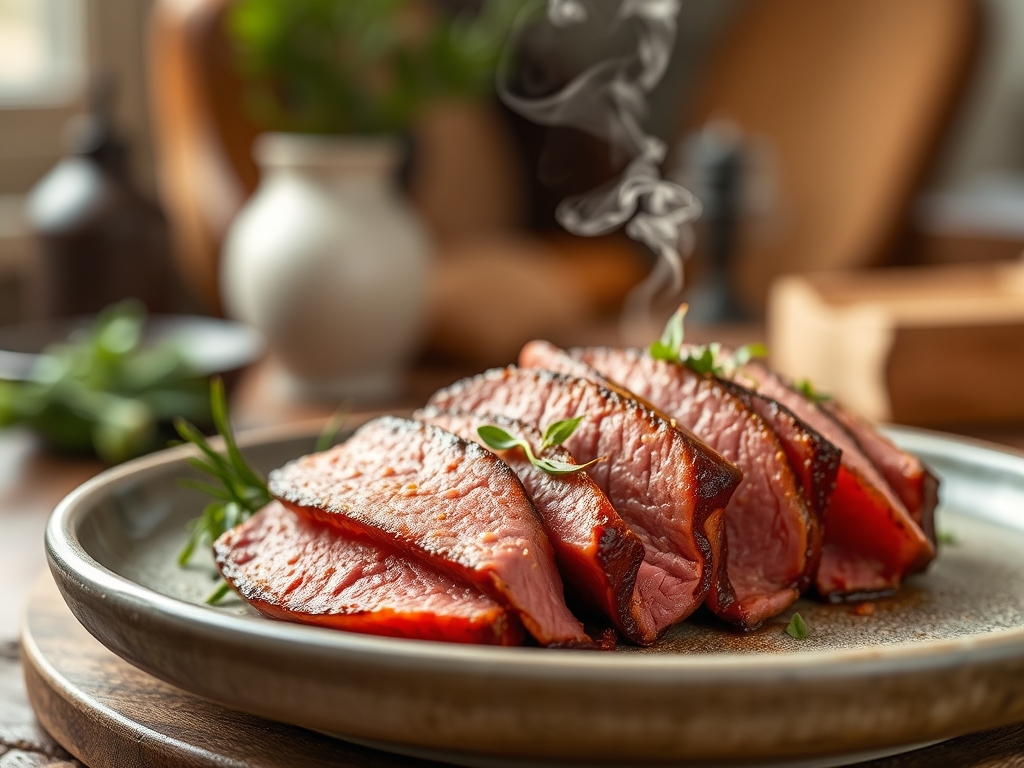
Imagine the scent of toasted coriander and peppercorns swirling through your kitchen as a salt-cured brisket transforms into a masterpiece. Finding the best corned beef recipes is about more than just luck; it is a masterclass in low-and-slow thermodynamics. We are talking about meat so tender it yields to a fork but retains a piquant, savory bite.
The magic of corned beef lies in the curing process, where nitrates and salt penetrate the muscle fibers to create that iconic ruby-pink hue. Whether you are aiming for a traditional boiled dinner or a modern glazed finish, the secret is managing the collagen breakdown without stripping the moisture. In this guide, we will explore eight distinct methods to achieve perfection, from the precision of sous vide to the rustic charm of a heavy-bottomed Dutch oven. Grab your favorite apron and a sharp chef knife; we are about to elevate your Sunday roast into a culinary event that would make any deli owner envious.
The Gathers:
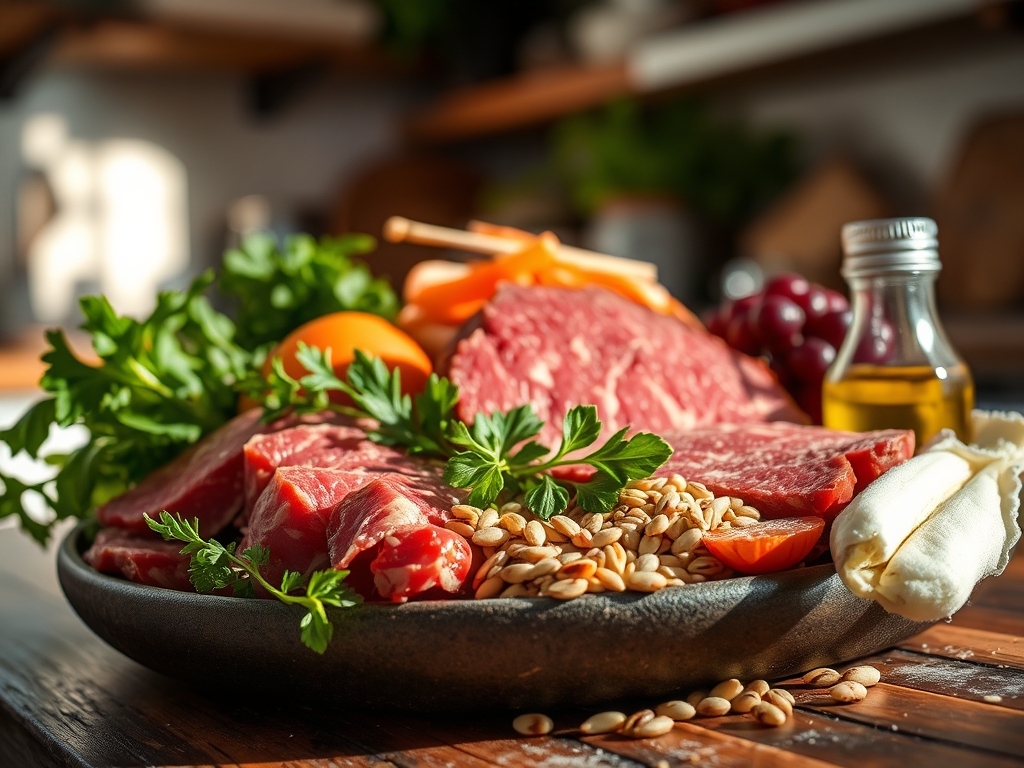
To execute the best corned beef recipes, your mise-en-place must be intentional. Start with a four-to-five pound corned beef brisket, preferably the point cut for higher fat content or the flat cut for uniform slicing. You will need a digital scale to measure your aromatics: whole black peppercorns, mustard seeds, coriander, and bay leaves. These spices provide the essential piquant profile that cuts through the richness of the rendered fat.
For the braising liquid, gather high-quality beef stock, a bottle of malty Irish stout to add depth, and filtered water. Your vegetable aromatics should include mirepoix staples: yellow onions, carrots, and celery. Do not forget the "finishing touches" like a jar of grainy Dijon mustard and brown sugar if you plan to glaze.
Smart Substitutions:
If you are avoiding alcohol, swap the stout for a mix of beef broth and a tablespoon of balsamic vinegar to mimic that fermented complexity. For those watching sodium, you can "desalinate" the brisket by soaking it in cold water for two hours before cooking; this pulls excess salt from the surface without ruining the cure. If you lack a traditional spice packet, use a microplane to zest fresh ginger into the pot for a modern, bright twist on the classic flavor profile.
The Clock:
Mastering the "Chef's Flow" is about timing your side dishes to hit the table exactly when the meat has finished its crucial resting phase.
- Prep Time: 20 minutes. This includes trimming excess surface silver skin and dicing your aromatics.
- Cook Time: 3 to 10 hours. This varies wildly by method; a pressure cooker takes 90 minutes, while a slow cooker requires 8 to 10 hours on low.
- Resting Time: 20 minutes. This is non-negotiable for moisture retention.
The "Chef's Flow" suggests starting your brisket early in the morning. While the meat undergoes its long thermal transformation, you have a three-hour window to prep your cabbage, potatoes, and horseradish cream. Always use a digital thermometer to check for an internal temperature of 145 degrees Fahrenheit for safety, though 190 to 200 degrees is the "sweet spot" for that melt-in-your-mouth texture.
The Masterclass:
1. The Desalination Soak
Place your brisket in a large bowl of cold water for at least 60 minutes. Use your tongs to flip it halfway through. This ensures the exterior does not become overly salty during the reduction of the braising liquid.
Pro Tip: This step utilizes osmosis to balance the salt concentration between the meat and the water, preventing a "salt lick" flavor profile in the final dish.
2. Searing for Depth
Pat the meat bone-dry with paper towels. Heat a heavy-bottomed skillet with a splash of high-smoke-point oil and sear the brisket on all sides until a golden crust forms.
Pro Tip: This triggers the Maillard reaction, creating hundreds of new flavor compounds that a simple boil cannot achieve.
3. Building the Braise
Transfer the meat to your cooking vessel. Add the spices and liquids until the meat is two-thirds submerged. Use a saucier to warm your broth before adding it to maintain a consistent temperature.
Pro Tip: Keeping the meat partially submerged allows for convection within the pot, ensuring the top steams while the bottom braises.
4. The Low and Slow Simmer
Maintain a gentle simmer; never a rolling boil. If using an oven, set it to 300 degrees Fahrenheit. The liquid should barely tremble.
Pro Tip: Gentle heat prevents the muscle fibers from seizing. Rapid boiling causes proteins to contract violently, resulting in "rubbery" meat.
5. Adding the Aromatics
Add your carrots, potatoes, and onions during the last hour of cooking. Add the cabbage in the last 15 to 20 minutes to prevent it from becoming sulfurous and mushy.
Pro Tip: This staged entry accounts for the different cellular structures of the vegetables, ensuring each reaches peak tenderness simultaneously.
6. The Glaze Application (Optional)
Remove the meat and place it on a sheet pan. Brush with a mixture of honey, mustard, and cloves. Broil for 3 to 5 minutes until bubbly.
Pro Tip: The high heat causes the sugars to caramelize, providing a sweet counterpoint to the salty brine of the brisket.
7. The Crucial Rest
Move the brisket to a bench scraper or cutting board and tent loosely with foil. Let it sit for at least 20 minutes before touching it with a knife.
Pro Tip: Resting allows for reabsorption of juices. If you cut too soon, the internal pressure forces the moisture out, leaving the meat dry.
8. Carving Against the Grain
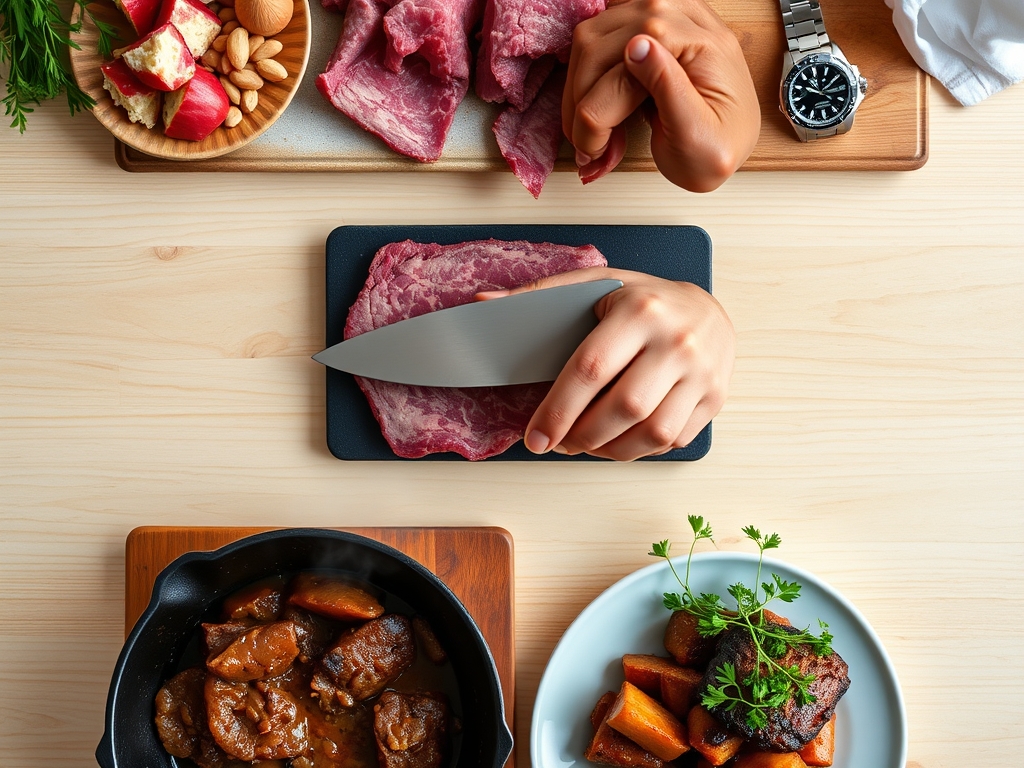
Identify the direction of the muscle fibers. Use a long, serrated carving knife to slice perpendicular to those fibers.
Pro Tip: Cutting against the grain shortens the protein strands, making every bite feel significantly more tender on the palate.
The Deep Dive:
Macro Nutrition:
A standard 4-ounce serving of corned beef provides approximately 285 calories, 18g of protein, and 23g of fat. It is a dense source of Vitamin B12 and Zinc, though it is high in sodium.
Dietary Swaps:
- Keto: Skip the potatoes and sugar-based glaze. Use radishes as a potato substitute; they lose their peppery bite and mimic a red potato when braised.
- Vegan: Use a "Corned Beet" approach. Brine large red beets in pickling spices and slow-roast them. The texture is surprisingly dense and savory.
- GF: Ensure your beef stock and spice blends are certified gluten-free, as some anti-caking agents contain wheat.
The Fix-It:
- Too Salty: If the finished meat is a salt bomb, slice it and simmer the slices in plain boiling water for 5 minutes to extract the excess.
- Tough Meat: This usually means it is undercooked. Put it back in the liquid and continue simmering. Collagen needs time to turn into gelatin.
- Greasy Sauce: Use a fat separator or a chilled spoon to skim the surface. You can also use a piece of bread to "blot" the oil off the top.
Meal Prep & Reheating:
To maintain "day-one" quality, store the meat in its own cooking liquid. When reheating, use a saucier to gently steam the slices with a splash of broth. Avoid the microwave, which can make the fat turn viscous and the proteins rubbery.
The Wrap-Up:
You are now armed with the scientific secrets to creating the best corned beef recipes your dinner guests have ever tasted. From the initial osmosis of the soak to the final caramelization of the glaze, every step serves a purpose in building flavor and texture. Remember that patience is your most valuable tool in the kitchen. Whether you are serving this for a festive holiday or a cozy weeknight meal, the combination of piquant spices and tender, rendered fat is a guaranteed crowd-pleaser. Now, go forth, grab your tongs, and start braising!
The Kitchen Table:
How do I make corned beef less salty?
Soak the raw brisket in cold water for two hours before cooking. Change the water once halfway through. This uses osmosis to draw out excess curing salt from the outer layers of the meat.
Why is my corned beef tough?
Toughness usually indicates undercooking. The connective tissue, known as collagen, requires prolonged exposure to low heat to transform into silky gelatin. Simply simmer the meat longer until it becomes fork-tender.
Can I cook corned beef in a pressure cooker?
Yes, use the "High Pressure" setting for 70 to 90 minutes with at least two cups of liquid. This method uses high-pressure steam to force moisture into the fibers, significantly cutting down on traditional cook times.
Which cut is better: point or flat?
The point cut is marbled with more fat, making it more flavorful and "shreddable." The flat cut is leaner and easier to slice into uniform pieces, making it ideal for sandwiches or elegant presentations.
How should I slice corned beef?
Always slice against the grain. Look for the parallel lines of muscle fiber and cut perpendicular to them. This breaks up the long fibers, ensuring the meat is easy to chew and tender.