
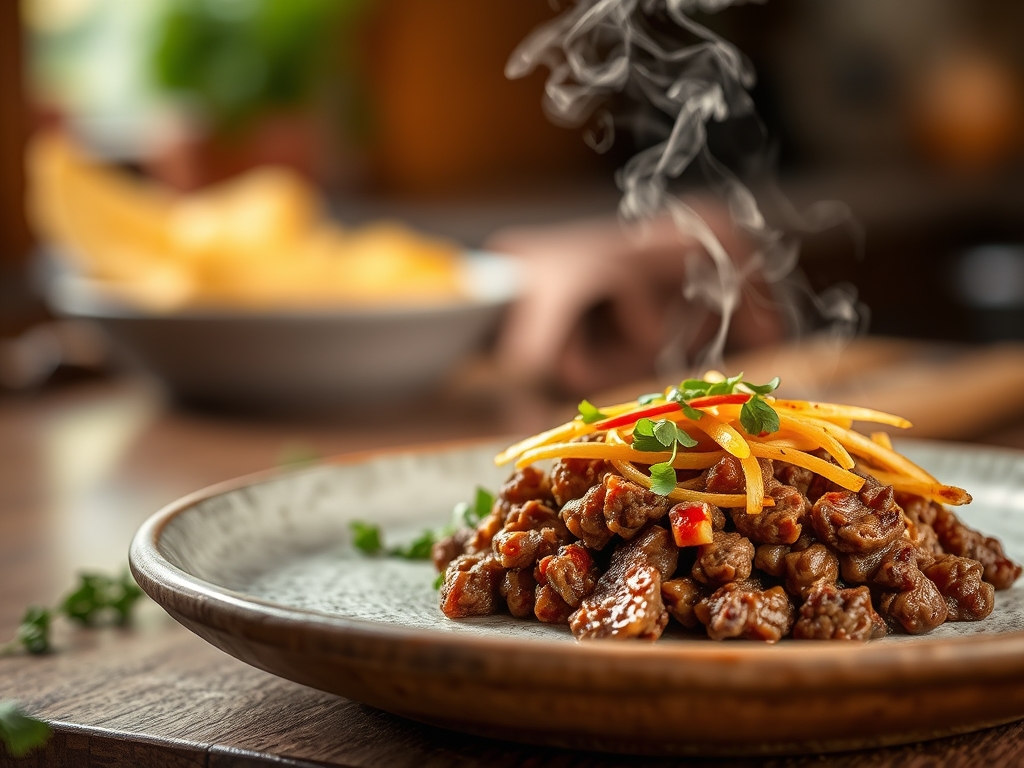
The scent of sizzling fat hitting a hot stainless steel surface is the universal siren song of a home cook who knows exactly what she is doing. When you are looking for simple healthy ground beef recipes; you are really looking for the perfect balance of high-quality protein and efficient kitchen chemistry. It is about the way the iron-rich aroma fills the room as the meat begins to brown; signaling that the Maillard reaction is turning raw protein into a complex tapestry of savory flavors. We are moving beyond the basic burger and into a world where nutrient density meets culinary finesse.
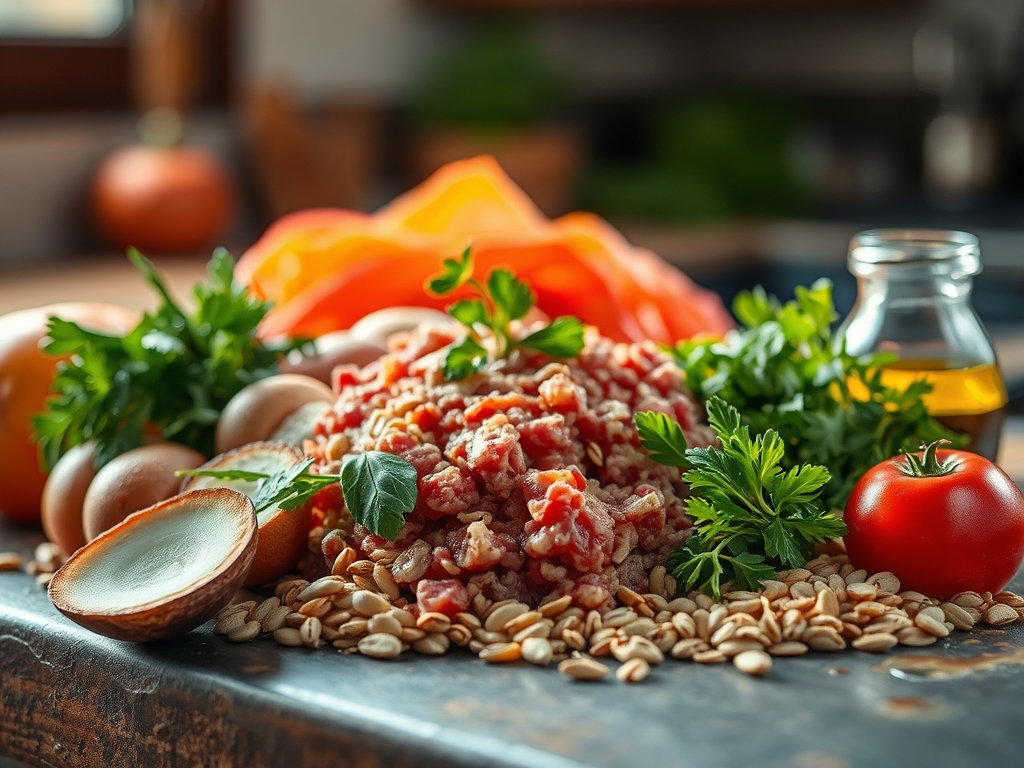
The Gathers:
To execute these six variations; your mise-en-place must be precise. Start with grass-fed ground beef; preferably a 90/10 or 93/7 lean-to-fat ratio to keep the caloric load manageable while still providing enough lipids to emulsify your sauces. You will need a vibrant array of aromatics: pungent garlic cloves; crisp shallots; and ginger root ready for the microplane. For the green components; gather fibrous lacinato kale; snap peas; and bell peppers which provide a structural crunch against the tender texture of the beef.
Smart Substitutions are your best friend for maintaining a "clean" profile. Swap traditional soy sauce for coconut aminos to reduce sodium and avoid gluten; or use Greek yogurt instead of sour cream to add a probiotic punch and a viscous tang to your beef stroganoff bowls. If you are watching carbohydrates; cauliflower rice or spaghetti squash serve as the perfect neutral vessels to absorb the juices that render during the cooking process. Always have a high-smoke-point oil like avocado oil on hand to ensure you can achieve a hard sear without the oil breaking down into acrid compounds.
The Clock: The Art of Chef's Flow
Efficiency in the kitchen is not just about speed; it is about managing the thermal momentum of your tools. For these simple healthy ground beef recipes; expect a total active prep time of 15 minutes and a cook time of 12 to 18 minutes. The "Chef's Flow" dictates that you prep your densest vegetables first. While your heavy-bottomed skillet preheats over a medium-high flame; use your bench scraper to clear your cutting board of chopped onions and peppers. By the time the pan is shimmering; your ingredients are staged and ready. This prevents the pan from cooling down too much when you add the meat; which ensures you are searing rather than steaming.
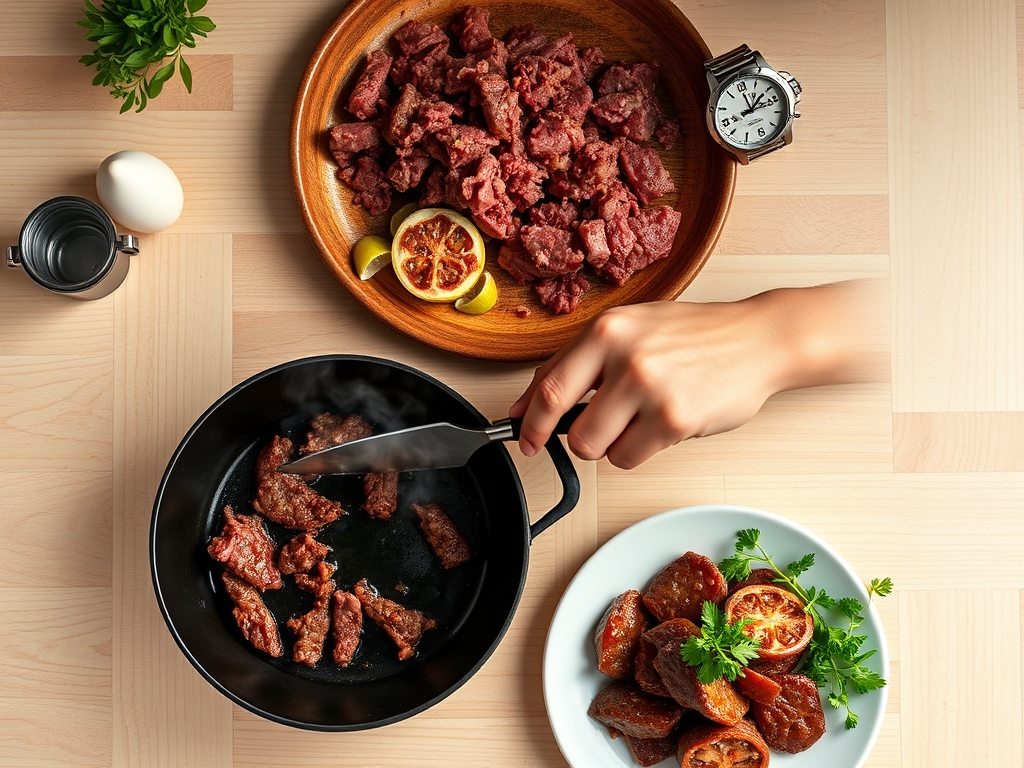
The Masterclass:
1. The Hard Sear and Fond Development
Place your beef in the hot skillet and resist the urge to move it immediately. Use a stiff spatula to press the meat down; maximizing surface area contact.
Pro Tip: This patience facilitates the Maillard reaction; a chemical dance between amino acids and reducing sugars that creates hundreds of different flavor compounds. If you stir too early; you lose that deep; umami-rich crust.
2. Deglazing for Depth
Once the meat is browned and removed; you will see brown bits stuck to the bottom of the pan. This is called fond. Pour in a splash of beef bone broth or a piquant splash of apple cider vinegar.
Pro Tip: Use a wooden spoon to scrape the bits into the liquid. This is called deglazing; and it incorporates concentrated flavor back into your dish; creating a built-in sauce without the need for heavy thickeners.
3. Aerating the Aromatics
Add your garlic; ginger; or onions to the remaining fat in the pan. Cook only until they become translucent and fragrant.
Pro Tip: This process is called sweating. By cooking aromatics at a lower temperature after the meat is pulled; you release their essential oils without burning the delicate sugars; ensuring a sweet rather than bitter base.
4. Integrating the Fibrous Greens
Toss in your kale; spinach; or bok choy during the last two minutes of cooking. Use tongs to toss them through the warm beef and sauce.
Pro Tip: This utilizes residual heat to wilt the greens. Overcooking vegetables destroys their cellular structure and leaches out water-soluble vitamins like Vitamin C and B-complex.
5. Emulsifying the Finishing Sauce
If your recipe calls for a sauce; whisk in a small amount of cold butter or a starch slurry right at the end.
Pro Tip: This creates a stable emulsion. The fat molecules become suspended in the liquid; giving the sauce a glossy; professional sheen and a mouthfeel that coats the tongue evenly.
6. The Rest and Carryover Cook
Remove the pan from the heat and let the dish sit for three minutes before serving.
Pro Tip: This accounts for thermal carryover. The internal temperature will continue to rise by a few degrees; finishing the cooking process gently while allowing the muscle fibers to relax and reabsorb their internal juices.
The Deep Dive:
Macro Nutrition
A standard serving of these simple healthy ground beef recipes provides approximately 28g of protein; 12g of healthy fats; and 5g of net carbs (if using vegetable bases). Beef is a powerhouse of bioavailable iron; zinc; and Vitamin B12; which are essential for cognitive function and metabolic health.
Dietary Swaps
For a Keto version; increase the fat content by adding sliced avocado or a dollop of grass-fed butter. For Vegan guests; replace the beef with a mixture of pulsed walnuts and mushrooms; which mimics the "crumble" and savory profile of ground meat. For a Gluten-Free approach; always verify that your spices and broth bases are certified GF.
The Fix-It: Technical Solutions
- The Meat is Gray and Steaming: Your pan was not hot enough or was overcrowded. Solution: Remove the meat; drain the liquid; wipe the pan; and restart with a higher heat and smaller batches.
- The Sauce is Broken/Oily: The heat was too high when adding the emulsifier. Solution: Add a teaspoon of warm water and whisk vigorously to re-bind the fats.
- The Beef is Tough: You likely over-handled the meat or cooked it too long. Solution: Next time; add a pinch of baking soda to the raw meat 15 minutes before cooking; this raises the pH and keeps the proteins tender.
Meal Prep: Reheating Science
To maintain "day-one" quality; reheat your beef in a skillet over low heat with a tablespoon of water or broth. Cover the pan to create a steam chamber. This prevents the proteins from tightening further and becoming rubbery; which often happens in the uneven radiation of a microwave.
The Wrap-Up:
Mastering simple healthy ground beef recipes is about more than just following a list; it is about understanding the physics of your kitchen. When you treat your ingredients with respect—using the right tools like a digital scale for portioning and a saucier for your reductions—you elevate a humble ingredient into a gourmet experience. These meals are designed to fuel your life without draining your clock. Now; grab your favorite skillet and go create something incredible!
The Kitchen Table:
How do I make ground beef taste better for meal prep?
Focus on the Maillard reaction by searing the meat deeply before adding liquids. Use aromatics like garlic and shallots; and finish with an acid like lime juice or vinegar to brighten the flavors after reheating.
Is ground beef actually healthy?
Yes; especially when you choose lean; grass-fed options. It is a dense source of Vitamin B12; zinc; and heme iron. Pairing it with high-fiber vegetables ensures a balanced glycemic response and sustained energy levels.
What is the best way to drain fat from ground beef?
Use a slotted spoon to transfer the cooked beef to a paper towel-lined plate. Alternatively; tilt the heavy-bottomed skillet and use a turkey baster to remove excess lipids while keeping the flavorful juices in the pan.
Can I cook ground beef from frozen?
It is possible but not recommended for the best texture. If you must; use a low heat to thaw the exterior; scraping away the cooked layers as you go. For best results; thaw overnight in the refrigerator.