
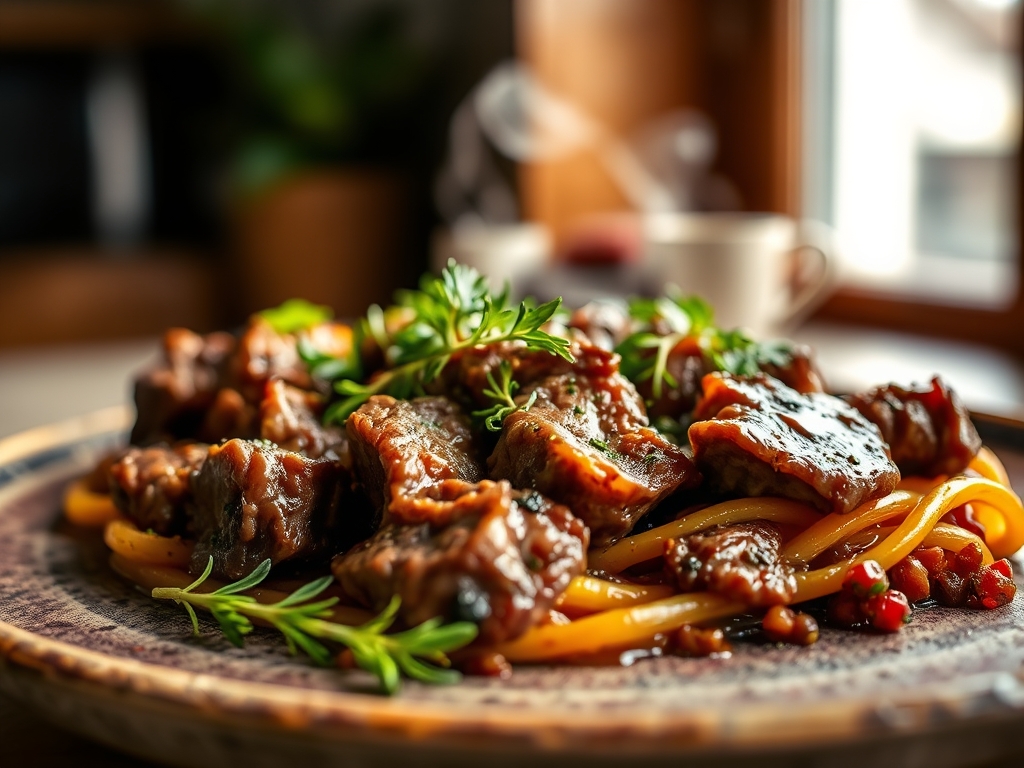
Close your eyes and listen for the rhythmic, metallic scrape of a deli slicer meeting a chilled roast. That sound is the heartbeat of Chicago. It is the preamble to a sandwich so drenched in savory history that it practically hums with the energy of the Windy City. When you are hunting for authentic italian beef recipes, you are not just looking for a meal; you are looking for a chemical transformation. We are talking about bottom round or top sirloin transformed from a tough, fibrous muscle into ribbons of velvet that collapse under the weight of a piquant jus. The air in your kitchen should turn heavy with the scent of toasted oregano and rendered beef tallow. This is a visceral, messy, and glorious labor of love. It is about the tension between the crunch of a crusty French roll and the soft, saturated interior that has been dunked into a vat of liquid gold. If you are ready to stop eating mediocre sandwiches and start engineering a masterpiece, grab your apron. We are going deep into the science of the soak.
The Gathers:
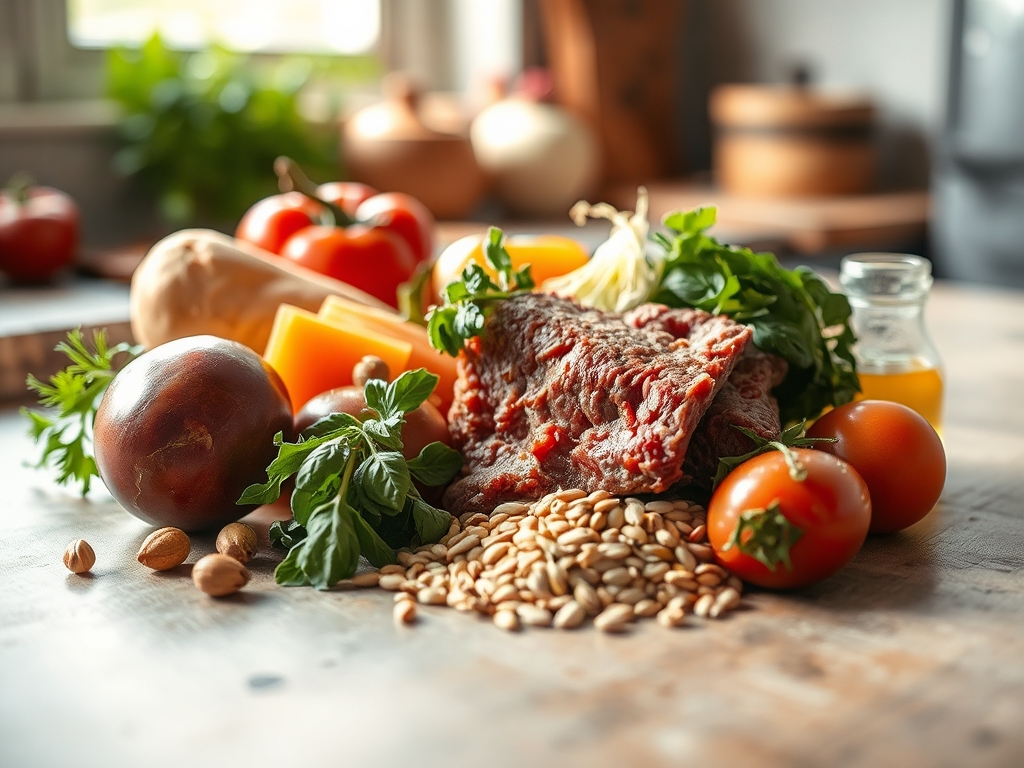
To achieve the depth of flavor required for authentic italian beef recipes, your mise-en-place must be precise. Start with a five to seven pound top sirloin or bottom round roast. These cuts are high in connective tissue but lean enough to slice thinly without falling apart. You will need a digital scale to measure out 50 grams of kosher salt; precision here prevents a salt bomb while ensuring the osmotic pressure pulls seasoning into the center of the meat.
For the dry rub, gather whole black peppercorns, dried oregano, red pepper flakes, garlic powder, and onion powder. Use a mortar and pestle to crack the peppercorns rather than using pre-ground dust; this releases volatile oils that provide a sharper, more aromatic punch. For the wet components, you need high-quality beef stock, a splash of Worcestershire sauce, and the juice from a jar of mild or hot giardiniera.
Smart Substitutions: If you cannot find a traditional bottom round, a chuck roast works in a pinch, though it has a higher fat content that requires more aggressive skimming of the jus. For a deeper umami profile, swap a tablespoon of salt for porcini mushroom powder. It adds a forest-floor depth that mimics the long-aged beef flavor found in high-end butcher shops.
The Clock
Success in the kitchen is about the Chef's Flow, the ability to synchronize prep so that no component sits idle. Your total active prep time is roughly 45 minutes, but the "passive" time is where the magic happens. The beef requires a 24-hour dry brine to tenderize the proteins. The roasting process takes about 20 minutes per pound at a low temperature to ensure even heat distribution. Finally, the most critical phase is the chill-down. You must refrigerate the cooked roast for at least 6 to 8 hours before slicing. Attempting to slice a warm roast results in shredded meat rather than clean ribbons. Total project time: 32 hours. Plan accordingly.
The Masterclass:
1. The Dry Brine and Rub
Coat the entire surface of your roast with the salt and spice mixture. Use your hands to massage the rub into every crevice. Place the meat on a wire rack set over a sheet pan and leave it uncovered in the fridge overnight.
Pro Tip: This process utilizes denaturation. The salt breaks down the tightly wound protein strands, allowing the meat to retain more moisture during the high-heat roasting phase.
2. The Sear and Maillard Reaction
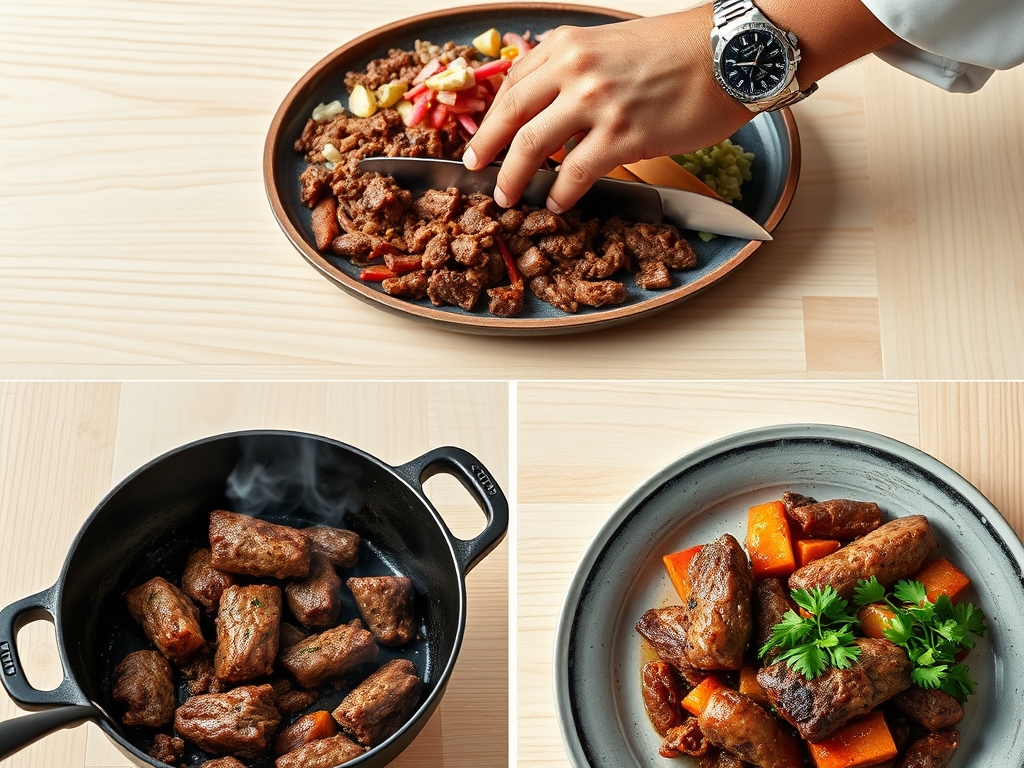
Heat a heavy-bottomed skillet or a cast iron pan until it is screaming hot. Add a high-smoke-point oil like avocado oil and sear the roast on all sides until a deep, mahogany crust forms.
Pro Tip: This is the Maillard reaction, a chemical reaction between amino acids and reducing sugars. It creates hundreds of different flavor compounds that simply do not exist in boiled or steamed meat.
3. The Low and Slow Roast
Transfer the roast to a deep roasting pan. Pour two cups of beef broth into the bottom of the pan to create a humid environment. Roast at 300 degrees Fahrenheit until a digital thermometer inserted into the thickest part reads 125 degrees for rare or 130 degrees for medium-rare.
Pro Tip: Account for thermal carryover. The internal temperature will rise another 5 to 7 degrees after you pull it from the oven as the kinetic energy moves toward the center.
4. The Jus Extraction
While the meat rests, take the pan drippings and deglaze the roasting pan with more stock and a splash of red wine vinegar. Use a saucier to simmer the liquid, whisking in the remaining spices and a knob of cold butter to emulsify the fats.
Pro Tip: The vinegar provides an acid spike that cuts through the viscous nature of the beef fat, brightening the overall flavor profile of the dip.
5. The Precision Slice
Once the meat is cold, use a very sharp carving knife or a home deli slicer to cut the beef against the grain into paper-thin translucent sheets.
Pro Tip: Slicing against the grain shortens the muscle fibers, making the beef feel significantly more tender in the mouth, even if the cut is naturally lean.
6. The Reheat and Assemble
Bring your jus to a gentle simmer (not a boil). Using tongs, dip the sliced beef into the hot liquid for only 30 seconds. Place the wet beef into a sturdy French roll, top with giardiniera, and perform the "Chicago Dip" by dunking the entire sandwich into the jus.
Pro Tip: Do not boil the meat in the jus. High heat will cause the proteins to contract and squeeze out moisture, turning your tender beef into rubber.
The Deep Dive
Macro Nutrition: A standard 6-ounce serving of Italian beef (without the bread) contains approximately 350 calories, 45 grams of protein, and 18 grams of fat. It is a protein powerhouse, though the sodium content can be high due to the brining process.
Dietary Swaps:
- Keto: Skip the roll and serve the beef and peppers in a bowl with extra jus.
- Vegan: Use thinly sliced, roasted king oyster mushrooms marinated in liquid smoke and soy sauce to mimic the umami of beef.
- Gluten-Free: Ensure your beef stock is certified GF and use a high-quality gluten-free baguette that can handle a "wet" dip.
The Fix-It:
- Tough Meat: If the beef is chewy, you likely sliced with the grain or pulled it from the oven too late. Fix this by simmering the slices in the jus for a longer period to break down the collagen further.
- Bland Jus: If the liquid tastes thin, add a teaspoon of beef base or a splash of soy sauce to boost the glutamates.
- Soggy Bread: If your bread disintegrates, you are using a standard hoagie roll. You need a crusty, par-baked French roll that requires a firm squeeze to compress.
Meal Prep: To maintain "day-one" quality, store the sliced meat and the jus in separate containers. When reheating, heat the liquid first, then add the cold meat. This prevents the beef from overcooking while it waits to be served.
The Wrap-Up
Creating authentic italian beef recipes is an exercise in patience and precision. It is the art of taking a humble, affordable cut of meat and treating it with the technical respect of a prime rib. From the initial dry brine to the final, messy dunk in a flavorful jus, every step serves a scientific purpose. When you pull that first sandwich apart and see the steam rising from the seasoned folds of beef, you will know that the 32-hour wait was worth every second. Now, get into that kitchen and make the neighborhood jealous.
The Kitchen Table
What is the best cut of meat for Italian beef?
The most authentic choice is bottom round or top sirloin. These lean cuts provide the structural integrity needed for paper-thin slicing while offering deep, beefy flavor that stands up to the spicy giardiniera and savory jus.
Why do I have to refrigerate the beef before slicing?
Chilling the roast firms the muscle fibers and solidifies the fats. This allows you to achieve the signature wafer-thin slices without the meat tearing or shredding, which is impossible to do while the meat is warm.
Can I make Italian beef in a slow cooker?
Yes, but the texture will differ. A slow cooker produces shredded beef rather than the traditional thin slices. For the most authentic result, roast it in the oven to maintain a medium-rare center before slicing and dipping.
What makes the "juice" or "jus" authentic?
Authentic jus relies on pan drippings, high-quality beef stock, and a heavy hand with dried oregano and garlic. It should be thin and savory, never thickened with flour or cornstarch, allowing it to soak deep into the bread.