
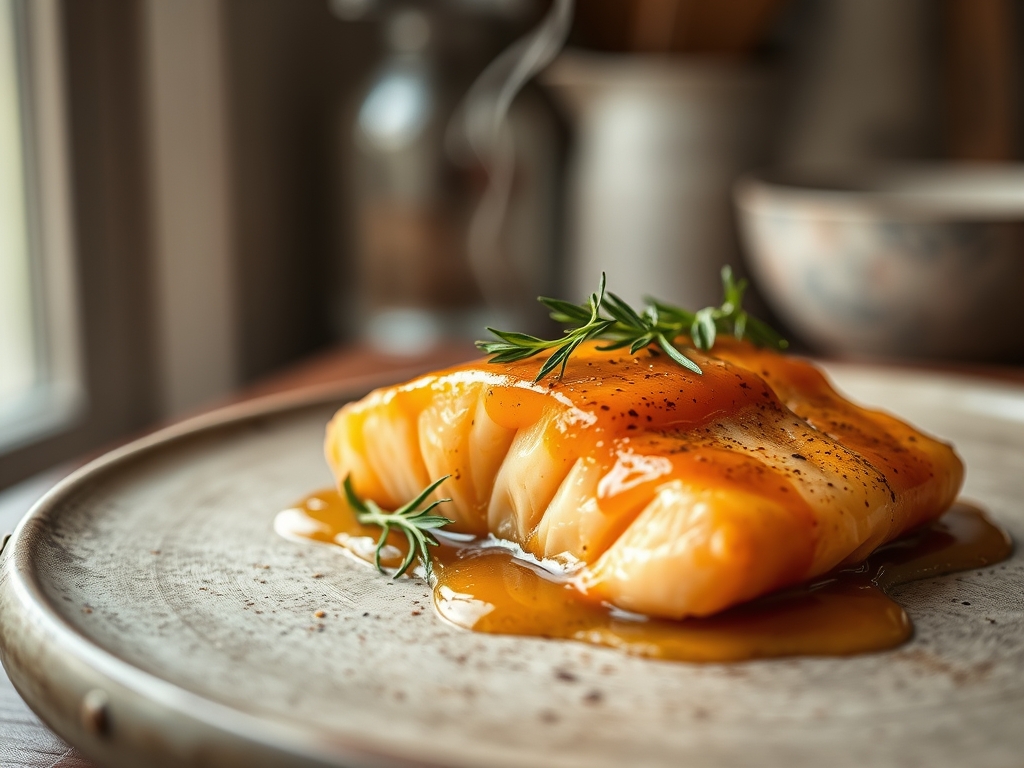
Imagine a kitchen filled with the scent of caramelized citrus and searing omega-3 fats. The secret to a weeknight miracle lies in the balance of sugar, acid, and heat. Mastering orange marmalade salmon recipes is about more than just a quick dinner; it is about understanding how fruit pectin and proteins dance under a broiler.
The beauty of this dish is the contrast between the flaky, fatty salmon and the sticky, piquant glaze. When you brush that thick marmalade onto a cold fillet, you are setting the stage for the Maillard reaction. This is the chemical process where amino acids and reducing sugars transform into hundreds of flavor compounds. It creates that irresistible golden crust that shatters under your fork.
You do not need a culinary degree to pull this off, but you do need a little bit of swagger. We are moving past basic pan-searing into the realm of high-gloss glazes. Whether you prefer a spicy kick or a ginger-forward bite, these variations will turn your standard grocery store fillet into a centerpiece. Let us get your mise-en-place ready and dive into the molecular magic of the perfect orange marmalade salmon recipes.
The Gathers:
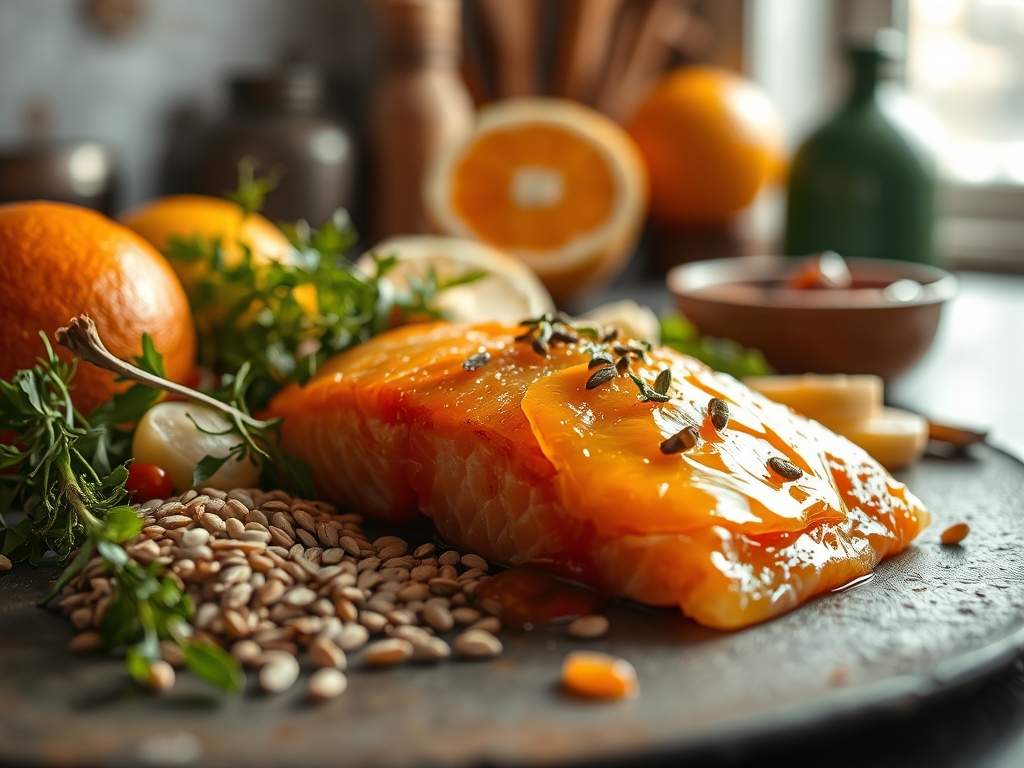
To achieve a restaurant-quality finish, your ingredients must be selected for their chemical contributions. The orange marmalade acts as our primary glaze base because it contains high concentrations of pectin. Pectin is a structural heteropolysaccharide that provides the viscous body needed to cling to the fish without sliding off into the pan.
For your salmon, look for King or Atlantic varieties with visible intramuscular fat. This fat will render out during the cooking process, basting the meat from the inside. You will also need a high-quality soy sauce or tamari to provide the savory umami depth that balances the sugar. If you are feeling fancy, grab a fresh knob of ginger. We will use a microplane to grate it into a fine paste, ensuring the ginger oils infuse evenly throughout the sauce.
Smart Substitutions:
If your pantry is missing marmalade, a high-quality apricot preserve mixed with fresh orange zest is a perfect swap. For those avoiding soy, coconut aminos offer a similar salty-sweet profile with a lower glycemic index. If you find your glaze is too sweet, a splash of rice wine vinegar or a squeeze of lime will provide the necessary acidity to brighten the flavor profile and cut through the richness of the fish.
The Clock
Efficiency in the kitchen is all about the Chef's Flow. This is the art of overlapping tasks so that no time is wasted. For these orange marmalade salmon recipes, your total active time is roughly 10 minutes, with a 12 to 15 minute cook time depending on the thickness of your fillets.
Start by preheating your oven or skillet immediately. While the heating element reaches the target temperature, you can whisk your glaze in a small saucier. By the time the oven chime rings, your salmon should be patted dry and seasoned. The "Flow" means your side dishes, like steamed bok choy or jasmine rice, should be started just as the salmon hits the heat. This ensures everything reaches the table at the peak of its thermal window.
The Masterclass
1. Prep the Protein
Remove your salmon from the refrigerator 15 minutes before cooking. Use a paper towel to pat the surface bone-dry. This is non-negotiable. Moisture is the enemy of a sear; any surface water will turn to steam and prevent the crust from forming.
Pro Tip: This technique addresses evaporative cooling. If the surface is wet, the energy from your pan goes into boiling the water rather than browning the fish. A dry surface allows for immediate caramelization.
2. Whisk the Glaze
In a small bowl, combine your marmalade, soy sauce, grated ginger, and a pinch of red pepper flakes. Use a small whisk to aerate the mixture slightly. This ensures the pectin is evenly distributed and the flavors are fully integrated before they hit the heat.
Pro Tip: This is an example of emulsification. By whisking vigorously, you are suspending the water-based soy sauce within the sugar-dense marmalade, creating a stable glaze that won't break or separate in the oven.
3. The Initial Sear
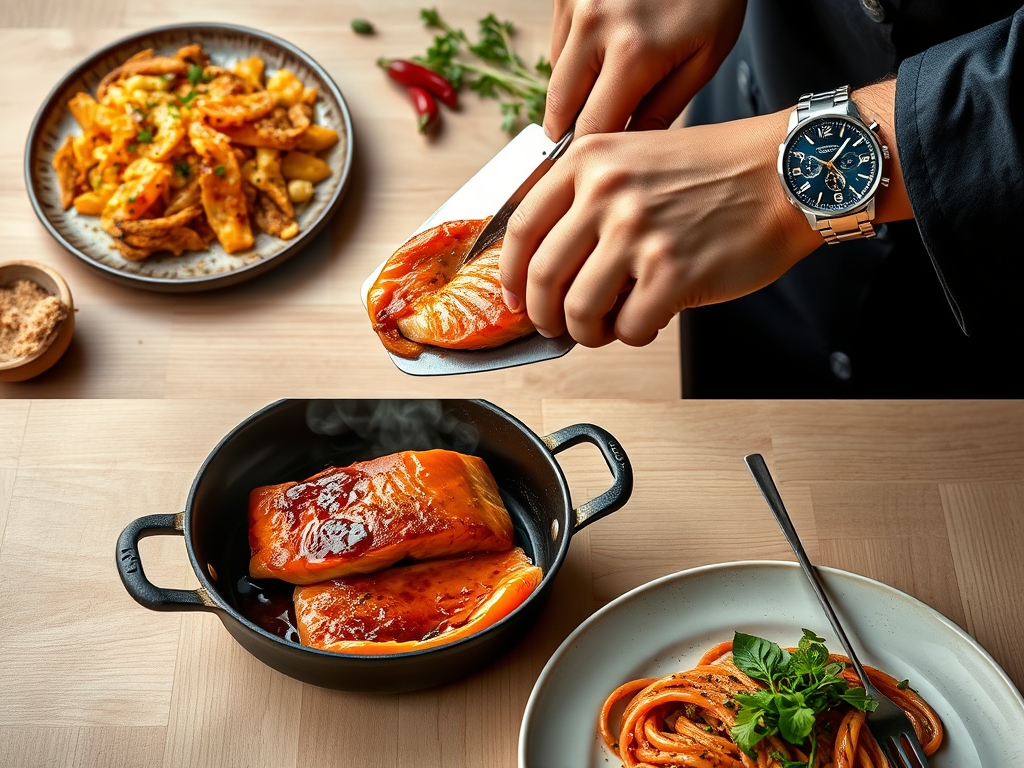
Heat a heavy-bottomed skillet over medium-high heat with a high-smoke-point oil like avocado oil. Place the salmon skin-side down. Press gently with a spatula to ensure full contact. This renders the fat under the skin, making it incredibly crispy.
Pro Tip: This involves conductive heat transfer. The heavy skillet retains more thermal mass, preventing the temperature from dropping when the cold fish is added. This ensures the skin crisps rather than toughens.
4. Apply the Glaze
Once the salmon is flipped or nearly cooked through, use a pastry brush to apply a thick layer of the marmalade mixture. If you are finishing in the oven, move the pan to the top rack under the broiler for the final two minutes.
Pro Tip: This step triggers enzymatic browning. The high heat of the broiler rapidly dehydrates the glaze, concentrating the sugars and creating a "lacquered" finish that sticks to the protein fibers.
5. The Rest and Carryover
Remove the salmon from the heat when the internal temperature reaches 125 degrees Fahrenheit. Transfer it to a warm plate and let it rest for three to five minutes.
Pro Tip: This accounts for thermal carryover. The internal temperature will continue to rise by 5 to 10 degrees after removal. Resting also allows the muscle fibers to relax and reabsorb juices, ensuring a succulent bite.
The Deep Dive
Macro Nutrition:
Salmon is a powerhouse of Omega-3 fatty acids, specifically EPA and DHA, which support heart health. A standard 6-ounce serving provides roughly 34 grams of protein. While the marmalade adds carbohydrates in the form of simple sugars, the protein and healthy fats help slow the absorption, preventing a sharp insulin spike.
Dietary Swaps:
For a Keto-friendly version, use a sugar-free orange preserve sweetened with erythritol or monk fruit. For a Vegan alternative, this glaze works beautifully on thick slabs of cauliflower or firm tofu. If you are Gluten-Free, ensure your soy sauce is replaced with certified tamari to avoid hidden wheat.
The Fix-It:
- The Glaze is Burning: If the sugar browns too quickly, move the pan to a lower rack or add a tablespoon of water to the pan to create steam and lower the surface temperature.
- The Skin is Soggy: You likely moved the fish too early. Wait for the skin to naturally release from the pan; this indicates the proteins have fully denatured and crisped.
- The Center is Raw: Use a digital thermometer to check the thickest part. If the outside is done but the inside is cold, cover the pan with a lid for 60 seconds to trap residual heat.
Meal Prep:
To reheat without drying out the fish, avoid the microwave. Instead, place the salmon in a covered pan with a splash of water over low heat. This creates a gentle steam environment that rehydrates the glaze and warms the fats without overcooking the delicate protein.
The Wrap-Up
You are now officially equipped to dominate the kitchen with these orange marmalade salmon recipes. By focusing on the science of the glaze and the precision of the sear, you have elevated a simple meal into a culinary event. Remember that cooking is as much about chemistry as it is about taste. Keep your pans hot, your fish dry, and your glaze thick. Now, grab your tongs and get to work; your perfect dinner is only fifteen minutes away.
The Kitchen Table
Can I use frozen salmon for these recipes?
Yes, but you must thaw it completely in the refrigerator and pat it extremely dry. Frozen fish often contains extra moisture, which can dilute your glaze and prevent a proper sear if not handled correctly.
What is the best way to zest an orange?
Use a microplane to remove only the bright orange outer layer. Avoid the white pith underneath, as it contains bitter alkaloids that can ruin the delicate balance of your sweet and savory glaze.
How do I know when the salmon is done?
The most reliable method is using a digital thermometer to reach 130 to 135 degrees Fahrenheit for medium. Alternatively, the fish should flake easily with a fork and appear opaque rather than translucent in the center.
Why is my marmalade glaze sliding off the fish?
The fish was likely too wet or you applied the glaze too early. Ensure the salmon is dry and has started to cook before applying the glaze; the heat helps the pectin bond to the protein.