
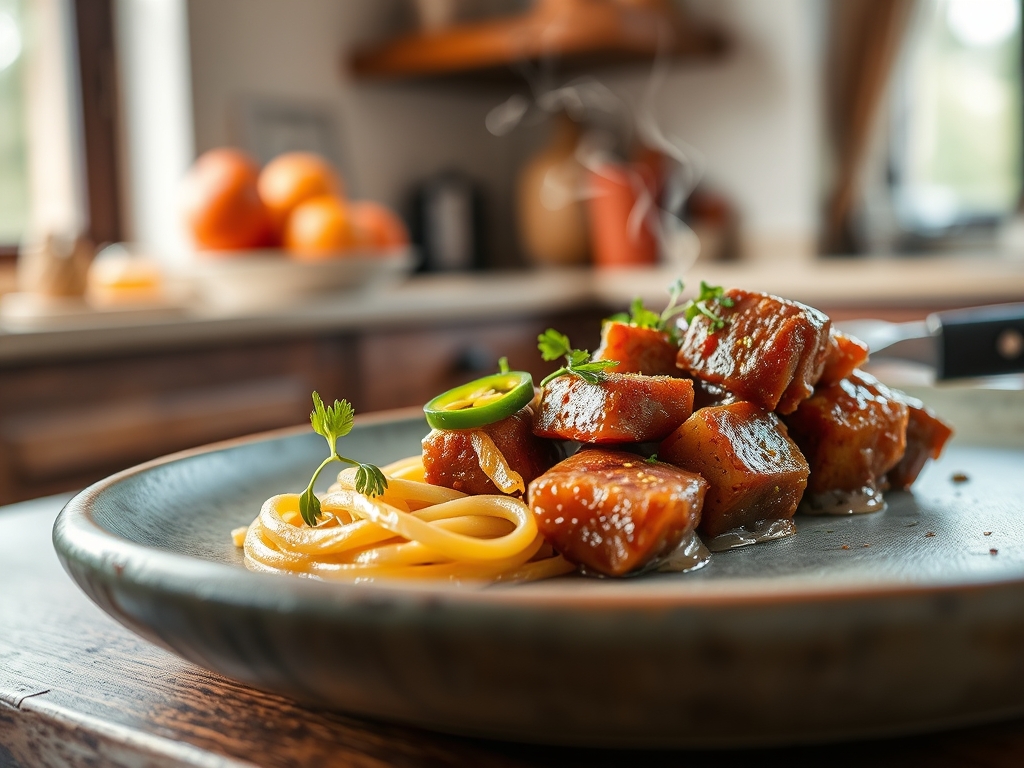
Imagine a heavy-bottomed skillet hissing as cold beef meets searing heat; the air instantly fills with the scent of caramelized fat and the sharp, vinegary sting of pickled peppers. This is the alchemy of pepperoncini beef recipes, a weeknight staple that transforms humble chuck roast into a masterpiece of salt, acid, and heat. It is more than just a slow cooker dump meal; it is a study in how piquant brine can chemically tenderize tough muscle fibers until they surrender into a silky, savory shred.
We are moving past the basic "pot roast" mentality today. We are looking for that perfect balance where the richness of the rendered beef fat emulsifies with the bright, yellow juice of the peppers to create a sauce that is both viscous and light. Whether you are piling this onto a toasted hoagie or serving it over a bed of creamy polenta, the goal is a flavor profile that wakes up your palate. Grab your favorite apron and your sharpest chef's knife. We are about to dive into the molecular magic that makes this dish a cult classic for home cooks and professional chefs alike.
The Gathers:
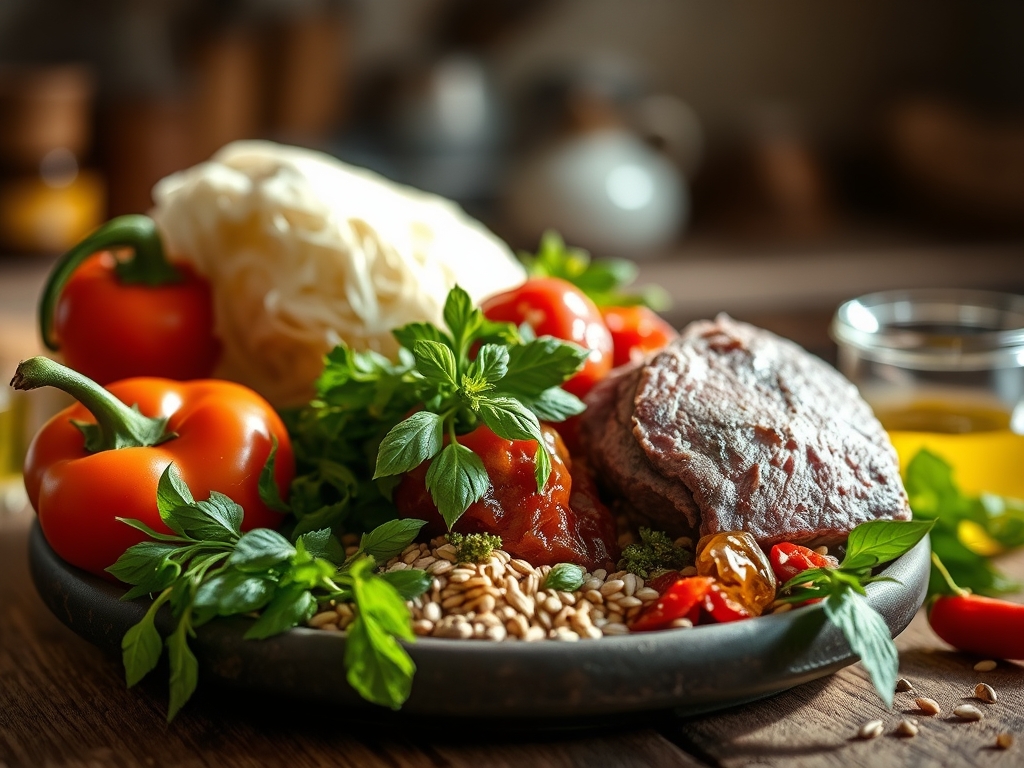
To execute these pepperoncini beef recipes with precision, your mise-en-place must be intentional. Start with three to four pounds of beef chuck roast. Look for heavy intramuscular marbling; these white flecks of fat are essential for the hydrolysis of collagen, which turns tough connective tissue into melt-in-your-mouth gelatin. You will need a 16-ounce jar of whole pepperoncini peppers. Do not drain them. That brine is a liquid gold mine of acetic acid and salt.
Your aromatics are equally vital. Use a microplane to grate four cloves of fresh garlic into a paste; this increases the surface area for maximum flavor infusion. You will also need high-quality unsalted butter to control the sodium levels, dried oregano for an earthy backbone, and a splash of soy sauce or Worcestershire to provide a hit of umami.
Smart Substitutions: If you cannot find chuck roast, a bottom round or brisket flat works well, though they require a slightly longer braise. For a lower-sodium version, swap half the pepper brine for a dry white wine like Pinot Grigio to maintain the acidity without the salt load. If you want a smoky edge, add a teaspoon of smoked paprika or a chipotle pepper in adobo to the pot.
The Clock
The "Chef's Flow" is all about managing your active versus passive time. Total preparation takes roughly 20 minutes, while the cooking duration depends on your heat source. In a traditional heavy-bottomed Dutch oven, expect a 3 to 4-hour braise at 300 degrees Fahrenheit. If you are using a pressure cooker, you can achieve the same results in 60 to 75 minutes.
The secret to a professional result is the resting phase. You must account for 20 minutes of cooling time after the beef is tender. This allows the muscle fibers to relax and reabsorb the juices. If you shred the beef immediately upon removing it from the heat, the steam will escape rapidly, leaving the meat dry and stringy despite being cooked in liquid.
The Masterclass
1. The Maillard Sear
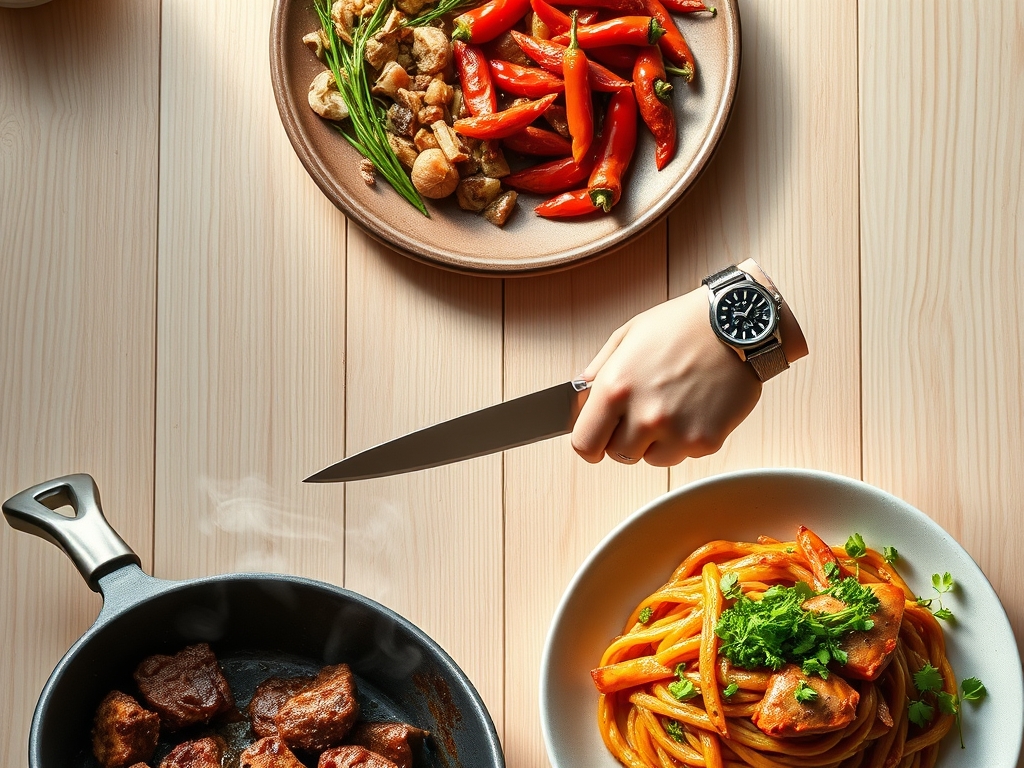
Pat the beef completely dry with paper towels. Season aggressively with kosher salt. Heat a thin layer of high-smoke-point oil in your skillet until it shimmers. Sear the meat on all sides until a deep, dark crust forms.
Pro Tip: This is the Maillard Reaction. This chemical reaction between amino acids and reducing sugars creates hundreds of different flavor compounds that cannot be replicated by boiling or steaming alone.
2. Deglazing the Fond
Remove the meat and set it aside on a rimmed baking sheet. Pour a splash of the pepperoncini brine into the hot pan. Use a bench scraper or wooden spoon to lift the browned bits (the fond) from the bottom of the pan.
Pro Tip: Deglazing captures the concentrated beef proteins stuck to the pan, ensuring that every ounce of savory flavor is integrated back into the final sauce.
3. The Low and Slow Infusion
Place the beef in your cooking vessel and pour over the remaining brine, the whole peppers, garlic, and herbs. Drop in the butter. Cover tightly to prevent evaporation.
Pro Tip: The acetic acid in the brine acts as a chemical tenderizer. It begins to break down the protein structures before the heat even finishes the job, resulting in a more uniform texture.
4. The Shred and Emulsify
Once the beef registers 205 degrees Fahrenheit on a digital scale or thermometer, remove it to a cutting board. Shred with two forks. Return the meat to the pot and whisk the remaining liquid vigorously to incorporate the melted butter.
Pro Tip: This creates a temporary emulsion. The fat from the butter and beef binds with the acidic brine, creating a glossy, thick sauce that clings to every strand of meat.
The Deep Dive
Macro Nutrition: A standard serving of pepperoncini beef is high in protein and healthy fats. It is naturally low in carbohydrates, making it an excellent choice for metabolic health. To keep it lean, you can skim the excess rendered tallow from the surface of the liquid before serving.
Dietary Swaps: For a Keto version, serve over cauliflower mash or sautéed zucchini ribbons. Vegan enthusiasts can swap the beef for large chunks of king oyster mushrooms or young green jackfruit; use a vegan butter substitute and vegetable broth to mimic the richness. This recipe is naturally Gluten-Free, provided your soy sauce substitute is tamari or coconut aminos.
The Fix-It:
- Too Salty: If the brine was too intense, drop a peeled, halved potato into the pot for the last 30 minutes. It will absorb excess salt like a sponge.
- Too Thin: If your sauce is watery, remove the meat and boil the liquid in a saucier over high heat to reduce and concentrate the flavors.
- Tough Meat: If the beef is "bouncy," it simply hasn't cooked long enough. Put it back in. The collagen hasn't fully converted to gelatin yet.
Meal Prep: To reheat, avoid the microwave if possible. Place the beef in a small saucepan with a splash of water or beef stock. Heat over medium-low with a lid on. This gentle thermal rehydration prevents the proteins from tightening up and becoming rubbery.
The Wrap-Up
You are now armed with the technical prowess to turn a simple jar of peppers and a slab of beef into a culinary event. Remember that great cooking is about the tension between elements; the heavy richness of the beef needs that bright, electric zip of the pepperoncini to truly sing. Don't be afraid to let that sear go a little longer or to use a few extra peppers if you like the heat. Your kitchen, your rules. Now go forth, get that skillet screaming hot, and show that chuck roast who is boss!
The Kitchen Table
What is the best cut of meat for pepperoncini beef?
Chuck roast is the gold standard. Its high collagen content breaks down into gelatin during the long cook, providing a rich, silky texture that leaner cuts like sirloin or eye of round simply cannot replicate.
Can I make this recipe in a slow cooker?
Yes. Place all ingredients in the crock and cook on low for 8 to 10 hours. The gentle, consistent heat is perfect for breaking down tough fibers while you are away from the kitchen.
Why is my shredded beef dry?
You likely shredded it too early. If you don't allow the meat to rest and cool slightly, the internal moisture evaporates as steam the moment the fibers are pulled apart, leaving the beef parched.
How do I store leftovers for the best quality?
Store the beef submerged in its own cooking liquid in an airtight container. This prevents oxidation and keeps the meat hydrated. It will stay fresh in the refrigerator for up to four days.
Is the brine too spicy for children?
Pepperoncini are mild on the Scoville scale. Most of the "heat" is actually acidity. If you are concerned, remove the seeds from the peppers before adding them to the pot to significantly reduce the spice level.