
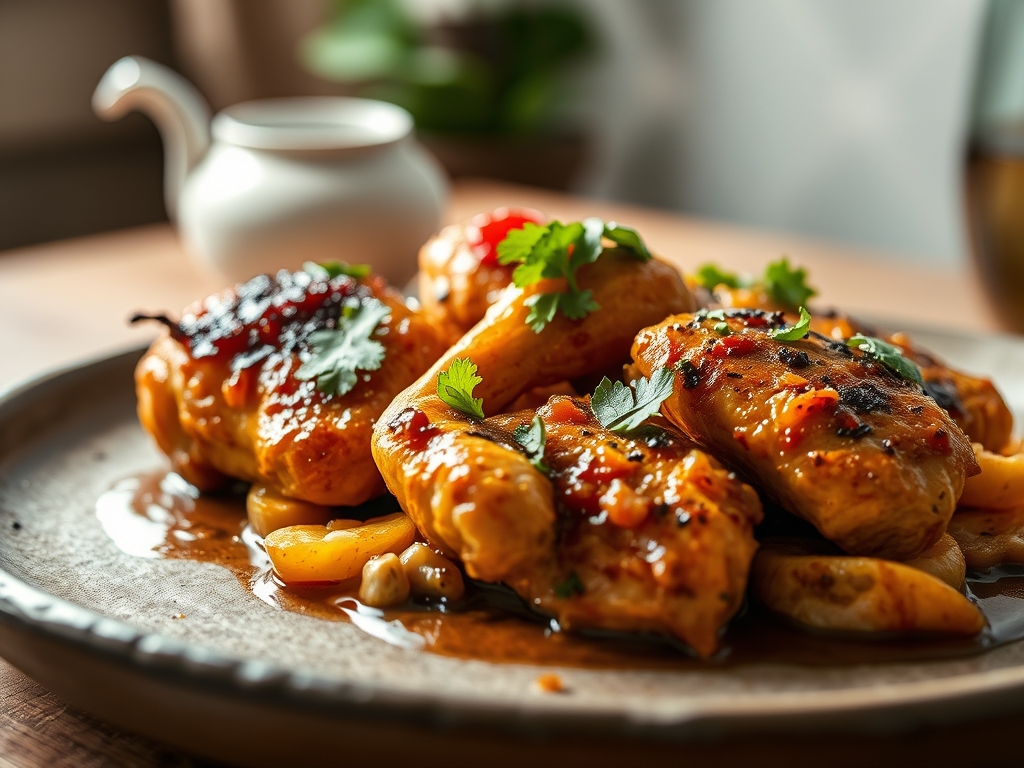
Close your eyes and imagine the scent of garlic confit colliding with the sharp, electric zing of sour orange. That is the soul of Cuba in a skillet. If you are tired of bland poultry, these mojo chicken recipes are your ticket to a high-acid, high-flavor lifestyle that turns a boring Tuesday into a tropical gala.
The secret to world-class mojo chicken recipes lies in the tension between fat and acid. We are not just making a marinade; we are engineering a chemical brine that penetrates the muscle fibers of the bird. When you introduce citrus juice to chicken, the low pH begins to denature the proteins, creating a tender texture that practically melts. However, the real magic happens when that acid meets a heavy dose of garlic and oregano. It creates a piquant profile that is both earthy and bright. Whether you are using a heavy-bottomed skillet or a high-heat grill, the goal is to achieve a crust so crisp it shatters, giving way to an interior that is dripping with herbaceous nectar. Grab your apron; we are about to transform your kitchen into a sanctuary of zest.
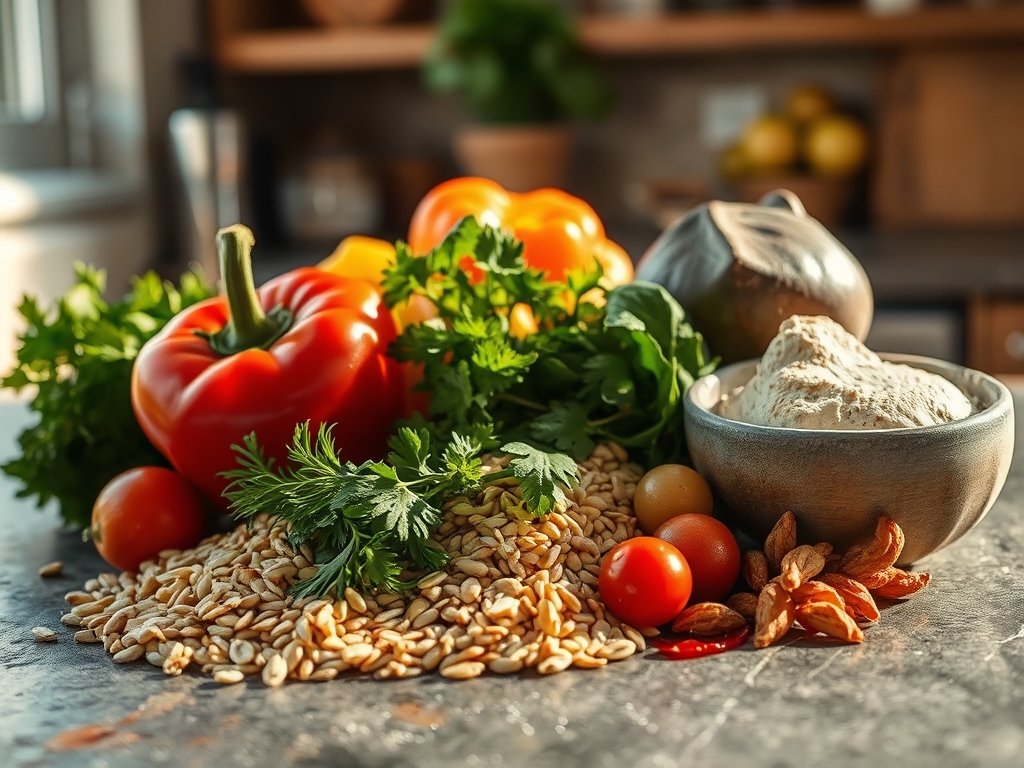
The Gathers:
To execute these mojo chicken recipes with precision, your mise-en-place must be flawless. Start with your aromatics. You will need three entire heads of garlic. Do not use the pre-peeled jars; those have lost their volatile oils. Use a bench scraper to crush the cloves, which releases the allicin, the compound responsible for that signature pungent bite.
Next, focus on the citrus. Traditional mojo uses Seville oranges, which are bitter and highly acidic. If you cannot find them, use a 2:1 ratio of naval orange juice to fresh lime juice. Use a microplane to zest the fruit before juicing; the essential oils in the zest contain the highest concentration of flavor. For the fat, choose a high-quality extra virgin olive oil. This acts as a carrier for the fat-soluble compounds in the dried oregano and cumin.
Smart Substitutions:
If you are dodging nightshades, swap the traditional cumin for toasted coriander seeds crushed in a mortar and pestle. For a lower-glycemic option, replace the splash of orange juice with a combination of rice vinegar and a pinch of monk fruit sweetener. If you lack a grill, a cast-iron press used in a hot pan will mimic that charred, compressed texture perfectly.
The Clock
Efficiency in the kitchen is about understanding the Chef's Flow. This is the art of overlapping tasks so that no second is wasted.
- Prep Time: 20 minutes. This includes the "garlic pulverization" and citrus extraction.
- Marination: 30 minutes (minimum) to 12 hours (maximum).
- Cook Time: 12 to 18 minutes depending on the cut.
- Resting Time: 5 to 10 minutes.
The "Flow" dictates that you prepare your side dishes (like black beans or yuca) while the chicken is marinating. By the time your digital scale measures out your portions, the chicken should be hitting the heat. Never cook cold meat. Allow the poultry to sit at room temperature for fifteen minutes before searing to ensure even heat distribution.
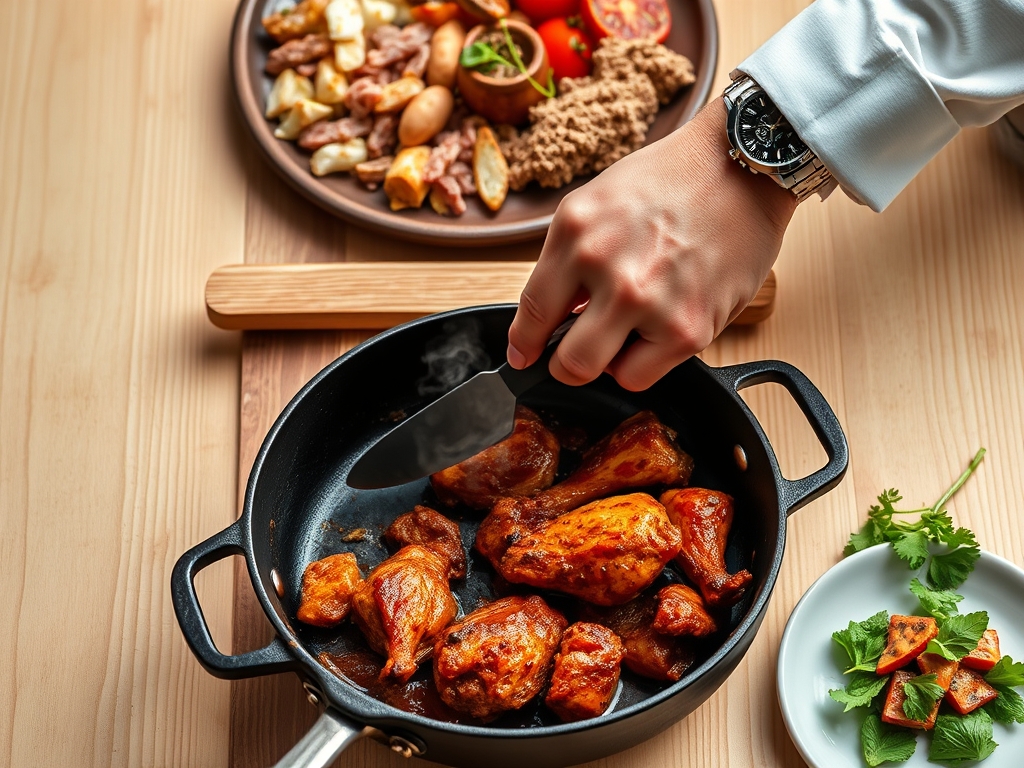
The Masterclass
1. The Emulsification Phase
Combine your citrus juices, zest, crushed garlic, and spices in a saucier. Slowly whisk in the olive oil to create a viscous emulsion.
Pro Tip: This mechanical bonding of oil and acid ensures the marinade clings to the meat rather than sliding off, allowing for better enzymatic breakdown of tough connective tissues.
2. The Deep Infusion
Place your chicken in a non-reactive glass bowl or a heavy-duty vacuum bag. Pour the mojo over the meat, ensuring every crevice is coated.
Pro Tip: Use a technique called "jaccarding" by poking small holes in the meat with a fork. This increases the surface area for the marinade to infuse the deep muscle fibers.
3. The High-Heat Sear
Heat a heavy-bottomed skillet until it reaches the smoke point of your oil. Pat the chicken dry with paper towels before placing it skin-side down.
Pro Tip: Moisture is the enemy of the Maillard reaction. By drying the surface, you ensure the energy goes into browning the skin rather than evaporating surface water.
4. The Deglaze and Baste
Once the chicken is flipped, add a splash of fresh mojo to the pan. Use tongs to swirl the liquid, picking up the browned bits (fond) from the bottom.
Pro Tip: This process, known as deglazing, incorporates the concentrated sugars and proteins back into a pan sauce that coats the bird in a glossy, flavorful lacquer.
5. The Thermal Rest
Remove the chicken when a digital thermometer reads 160 degrees Fahrenheit. Transfer it to a warm plate and tent loosely with foil.
Pro Tip: This accounts for thermal carryover. The internal temperature will rise to the food-safe 165 degrees while the juices redistribute, preventing the meat from becoming dry when sliced.
The Deep Dive
Macro Nutrition:
A standard serving of mojo chicken is a protein powerhouse. Expect roughly 35g of protein, 12g of healthy fats from the olive oil, and less than 5g of carbohydrates. It is a metabolic dream for those looking to maintain muscle mass without a glucose spike.
Dietary Swaps:
- Vegan: Sub the chicken for thick slabs of cauliflower or "Lion's Mane" mushrooms. The porous nature of mushrooms makes them incredible vessels for mojo.
- Keto: Ensure your citrus juice is balanced with extra fats; avoid adding any honey or sugar to the marinade.
- GF: Mojo is naturally gluten-free, but check your dried spices for anti-caking agents that might contain wheat derivatives.
The Fix-It:
- Too Salty: Add a splash of honey or more orange juice to balance the sodium levels.
- Rubbery Skin: Your pan wasn't hot enough. Next time, use a cast-iron skillet and don't crowd the pan.
- Bitter Aftertaste: You likely burned the garlic. Add garlic later in the searing process or use larger chunks that are easier to manage.
Meal Prep Science:
To maintain "day-one" quality, reheat your chicken in an air fryer at 350 degrees for 4 minutes. This reactivates the fats and recrisps the skin without overcooking the interior. Avoid the microwave, which turns the proteins "rubbery" through uneven molecular agitation.
The Wrap-Up
Mastering mojo chicken recipes is about more than just cooking; it is about understanding the chemistry of brightness. By balancing the aggressive acidity of the citrus with the savory depth of garlic and the heat of a perfect sear, you are creating a dish that is both sophisticated and primal. Take these techniques, trust your digital thermometer, and don't be afraid to let that skin get a little charred. Your kitchen is now a laboratory of flavor. Go forth and zest!
The Kitchen Table
Can I use bottled lime juice for mojo?
Fresh is mandatory. Bottled juices are pasteurized, which destroys the bright, volatile top notes and enzymes needed to tenderize the meat. For the best mojo chicken recipes, hand-squeeze your citrus right before mixing your marinade.
How long can I marinate the chicken?
Do not exceed 24 hours. Because mojo is highly acidic, the citrus will eventually "cook" the outside of the chicken, resulting in a mealy, mushy texture. Aim for 4 to 6 hours for the perfect structural balance.
What is the best cut of chicken for mojo?
Bone-in, skin-on thighs are the gold standard. The higher fat content in thighs stands up to the intense acidity and high-heat searing, ensuring the meat remains succulent and flavorful throughout the cooking process.
Why is my mojo sauce separating?
Oil and juice naturally repel. To fix this, use a saucier and whisk vigorously while adding a tiny bit of mustard or honey. These act as stabilizers to keep your emulsion smooth and glossy.