
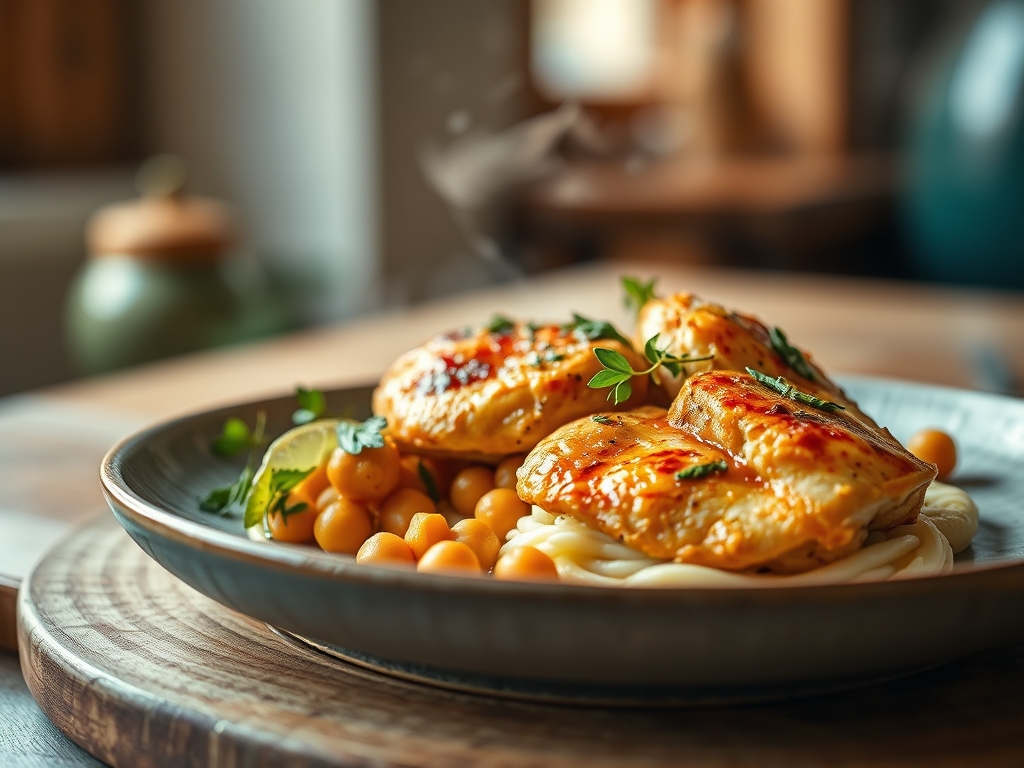
Imagine the scent of toasted cumin seeds hitting hot olive oil as they pop and release their volatile aromatics. This is the foundation of the most incredible chickpea and chicken recipes; a culinary marriage where the earthy, nutty profile of the legume meets the succulent, protein dense nature of the bird. It is the ultimate weeknight power couple for your kitchen.
Beyond the flavor, this pairing is a structural masterpiece. When you combine the fiber rich chickpea with the lean amino acids of chicken, you create a meal that offers sustained satiety without the heavy carbohydrate crash. We are talking about dishes that feel like a warm hug but perform like high octane fuel. Whether we are crisping the skins to a golden brown or simmering the chickpeas until they are buttery and soft, the chemistry of these ingredients is undeniable.
Today, we are diving into seven distinct ways to master this duo. We will explore how to manipulate textures from crunchy to velvety, ensuring your meal prep never feels repetitive. From Mediterranean sheet pan wonders to spicy North African stews, these chickpea and chicken recipes are about to become your new personality trait. Grab your favorite heavy bottomed skillet; we have some serious flavor to build.
The Gathers:
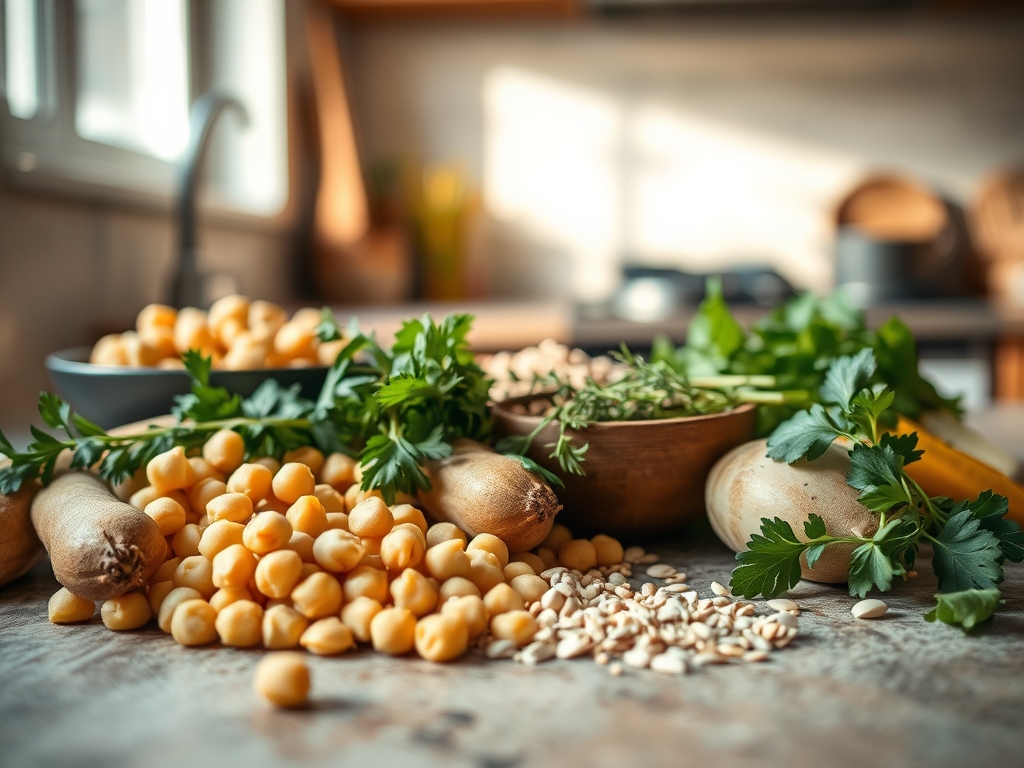
To execute these recipes with professional precision, your mise-en-place must be intentional. Start with your protein; four organic chicken breasts or six thighs, patted bone-dry with paper towels to ensure optimal searing. For the chickpeas, two 15-ounce cans are standard, but ensure you rinse them thoroughly to remove the viscous aquafaba if you want a crispier finish.
The aromatic base requires one large yellow onion, finely diced with a sharp chef's knife, and four cloves of garlic. Do not just chop that garlic; use a microplane to create a paste that will dissolve into the fat. You will also need a high-quality fat, such as extra virgin olive oil or ghee, to facilitate heat transfer.
For the "Smart Substitutions," if you find yourself out of chickpeas, cannellini beans offer a similar creamy texture, though they are more delicate. If you are looking to swap the chicken, firm tofu pressed of all moisture can mimic the bite of a breast, provided you use a digital scale to keep your protein ratios consistent. Always keep a bottle of dry white wine or a splash of apple cider vinegar nearby; you will need the acidity to deglaze the pan and lift those browned bits of flavor.
The Clock
Efficiency in the kitchen is about understanding "Chef's Flow," which is the art of overlapping tasks to minimize downtime. For these chickpea and chicken recipes, expect a total prep time of 15 minutes and a cook time of 25 to 30 minutes.
The flow begins with the protein. While your chicken is coming to room temperature (never sear ice-cold meat), you should be prepping your aromatics. Once the chicken hits the pan, use that 6 to 8 minute searing window to drain and dry your chickpeas. The goal is to have every ingredient ready before the first puff of steam hits the air. By the time the chicken is resting, your sauce should be thickening. This synchronized dance ensures that nothing overcooks and your meal hits the table at the peak of its thermal glory.
The Masterclass
1. The Sear and Render
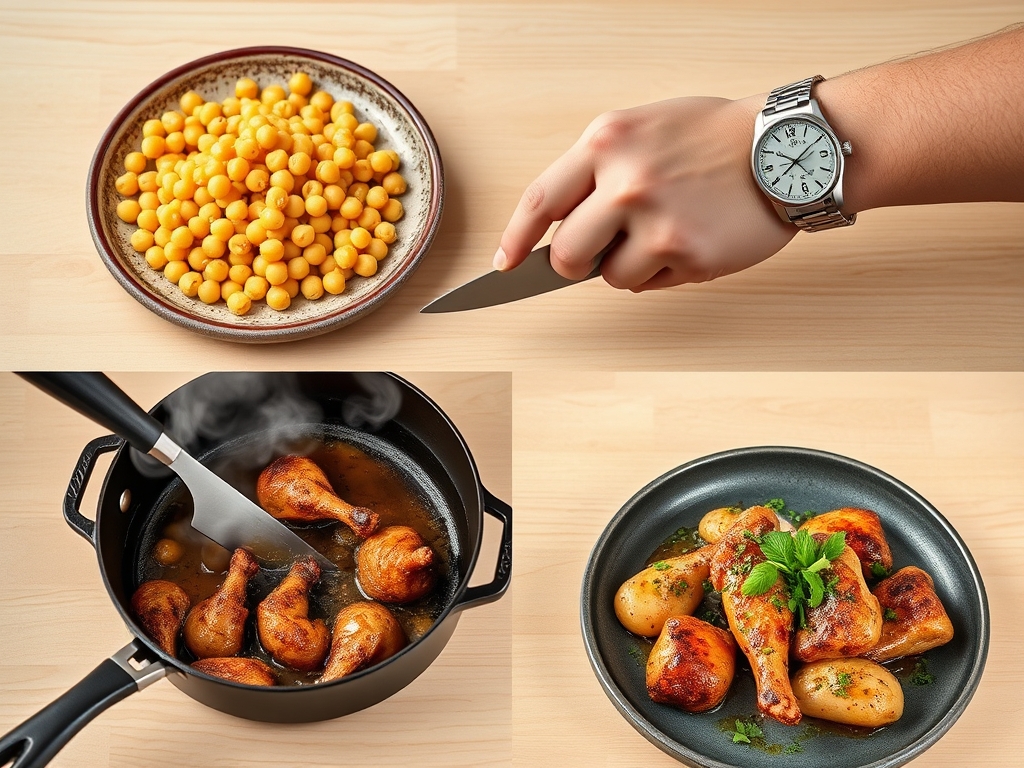
Place your chicken skin-side down in a preheated heavy-bottomed skillet. Use tongs to press the meat firmly against the surface to maximize contact. Leave it undisturbed for at least five minutes until it releases naturally from the pan.
Pro Tip: This is the Maillard reaction in action. By allowing the proteins and sugars to react under high heat, you create hundreds of different flavor compounds that simply do not exist in boiled or steamed meat.
2. Deglazing the Fond
Once the chicken is browned and removed, you will see brown bits stuck to the pan. Pour in a half cup of stock or wine and use a bench scraper or wooden spoon to scrape those bits into the liquid.
Pro Tip: This process captures the fond, which is concentrated flavor. The liquid acts as a solvent, lifting the caramelized proteins and incorporating them into what will become a deeply savory sauce.
3. Infusing the Legumes
Add your dried chickpeas directly into the flavored fat remaining in the pan. Toss them frequently so they become coated in the rendered chicken fat and aromatics.
Pro Tip: Chickpeas are porous. By sautéing them before adding liquid, you are using capillary action to draw fats and spices into the center of the bean, ensuring they are seasoned from the inside out.
4. The Gentle Simmer
Return the chicken to the pan, nestling it among the chickpeas. Lower the heat and add your remaining liquids. Cover the pan to trap steam, which will finish cooking the chicken gently.
Pro Tip: This prevents protein denaturation from happening too quickly. A slow rise in temperature keeps the muscle fibers from tightening and squeezing out moisture, resulting in a more succulent bite.
5. The Emulsification Finish
Remove the lid and stir in a cold pat of butter or a dollop of Greek yogurt. Stir vigorously to combine the fats with the pan juices until the sauce becomes glossy and thick.
Pro Tip: You are creating an emulsion. The proteins in the dairy act as stabilizers, binding the water-based juices and the oil-based fats into a cohesive, viscous sauce that clings to the food.
The Deep Dive
Nutritionally, these chickpea and chicken recipes are a powerhouse. A single serving typically provides 35 grams of protein and 8 grams of dietary fiber. This combination slows down the digestion of glucose, preventing insulin spikes.
For dietary swaps, Keto followers can replace half the chickpeas with cauliflower florets to lower the net carb count. Vegan friends can swap chicken for oyster mushrooms, which provide a similar fibrous texture when seared. If you are Gluten-Free, simply ensure your chicken stock is certified, as some brands use flour as a thickener.
The Fix-It:
- Rubbery Chicken: This happens due to overcooking. Use a digital thermometer and pull the chicken at 160 degrees Fahrenheit; thermal carryover will bring it to the safe 165 mark while it rests.
- Mushy Chickpeas: You likely added them too early to a high-moisture environment. Roast them separately if you want a crunchier texture.
- Bland Sauce: It needs acid. A squeeze of fresh lemon juice or a teaspoon of capers will provide the piquant lift needed to balance the earthy chickpeas.
For meal prep, reheating is a science. Avoid the microwave, which can turn chicken into leather. Instead, use a saucier over low heat with a splash of water. This creates a mini steam chamber that rehydrates the chickpeas and gently warms the protein without further cooking it.
The Wrap-Up
Mastering chickpea and chicken recipes is about more than just tossing ingredients in a pan; it is about respecting the chemistry of flavor and texture. By focusing on the sear, the deglaze, and the final emulsion, you elevate a humble pantry staple into a gourmet experience. These seven pairings offer a blueprint for healthy, high-protein living that never sacrifices taste. So, go ahead and experiment with different spices and acids. Your kitchen is your laboratory, and the results are going to be delicious.
The Kitchen Table
Can I use dried chickpeas instead of canned?
Yes, but they must be soaked and boiled first. Dried chickpeas offer a firmer texture and superior flavor absorption, making them ideal for slow-simmered chicken stews where they can withstand longer cooking times without becoming mushy.
How do I get the chicken skin extra crispy?
Ensure the skin is bone-dry before cooking. Salt the skin twenty minutes early to draw out moisture, then sear it in a hot heavy-bottomed skillet with high-smoke-point oil, pressing down to ensure even contact and heat distribution.
Is this recipe suitable for freezing?
Chickpea and chicken stews freeze beautifully. The legumes maintain their structural integrity during the freezing process. To serve, thaw overnight in the refrigerator and reheat slowly on the stovetop to maintain the delicate emulsion of the sauce.
What is the best way to add greens?
Fold in baby spinach or chopped kale during the final two minutes of simmering. The residual heat will wilt the greens without overcooking them, preserving their vibrant color and essential vitamins for a complete one-pan meal.