
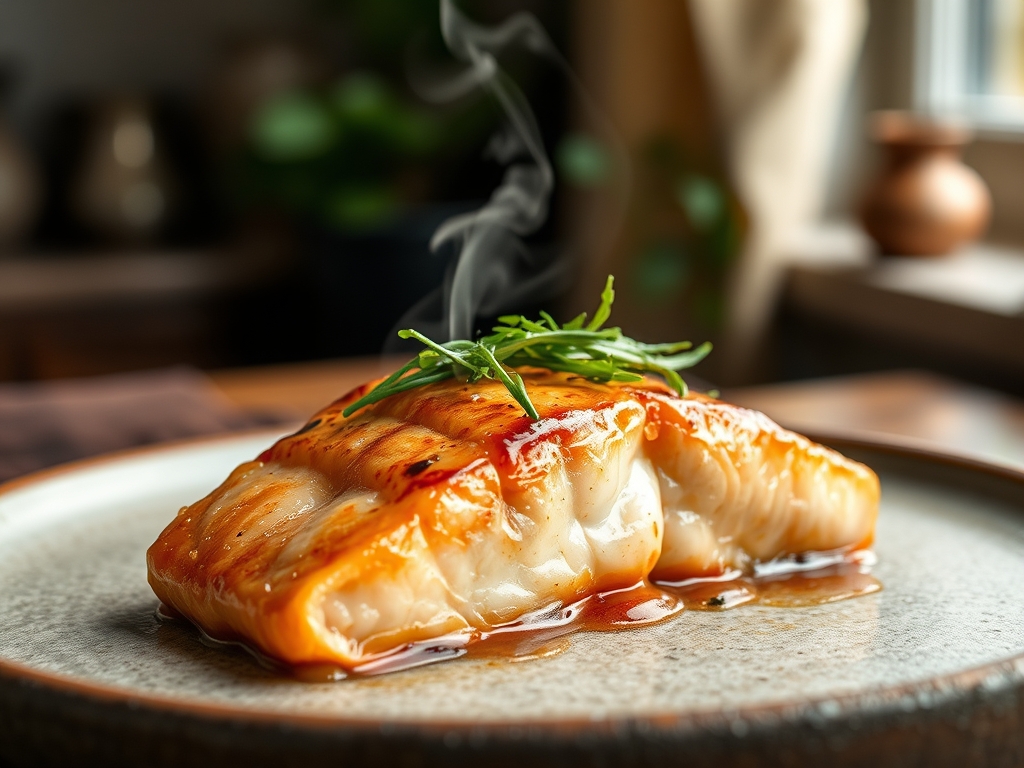
Picture a kitchen filled with the scent of toasted sesame oil and the sharp, bright zing of fresh ginger. We are not just making dinner tonight; we are mastering the art of asian inspired salmon recipes by balancing the five fundamental tastes. It is about that perfect shatter of skin against a succulent, medium-rare center.
The secret to a restaurant-quality finish lies in the chemistry of your marinade and the precise control of heat. Whether you are craving the deep umami of miso or the piquant kick of chili crisp, these secrets will transform your weeknight routine into a culinary masterclass. Grab your favorite apron and your sharpest knife. We are about to dive into the molecular magic that makes salmon the undisputed king of the sea.
The Gathers:
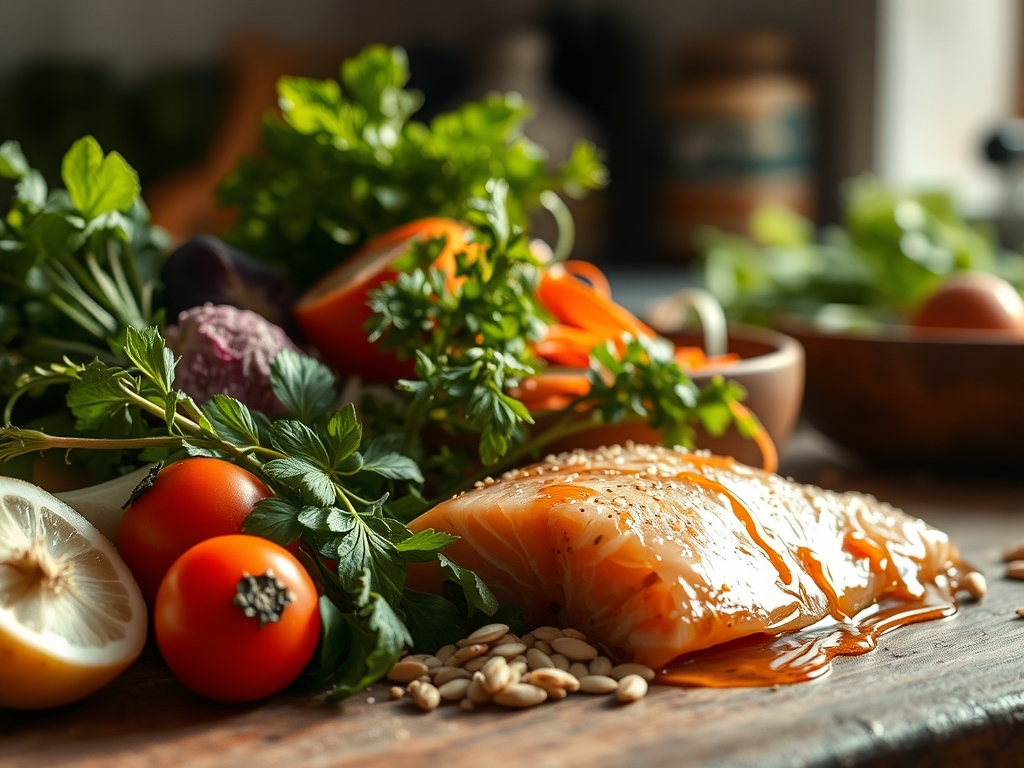
To achieve a professional result, your mise-en-place must be impeccable. Start with high-quality Atlantic or King salmon fillets, ideally cut into uniform six-ounce portions to ensure even heat distribution. You will need a viscous base for your glaze; think tamari or soy sauce for salt, honey or mirin for sweetness, and rice vinegar for acidity.
Your aromatics are the soul of the dish. Use a microplane to grate fresh ginger and garlic into a fine paste. This increases the surface area, allowing the essential oils to infuse the marinade more effectively than rough chopping. For texture, gather toasted sesame seeds and thinly sliced scallions.
Smart Substitutions:
If you are watching your sodium, liquid aminos provide that same savory depth without the salt overload. No mirin in the pantry? A splash of dry sherry mixed with a pinch of sugar mimics that fermented sweetness perfectly. If you prefer a bit of heat, swap out standard red pepper flakes for gochugaru to add a smoky, complex finish.
The Clock:
Efficiency in the kitchen is all about the Chef's Flow. This entire process takes approximately 35 minutes from fridge to table. You will spend 15 minutes on prep; this includes slicing, grating, and allowing the salmon to come to room temperature. Never cook cold fish. Bringing it to ambient temperature prevents the muscle fibers from seizing up when they hit the pan.
The active cooking time is a swift 10 to 12 minutes. The final 5 minutes are the most important: the rest. Allowing the protein to sit ensures the juices redistribute, preventing a dry, chalky texture. By the time your rice is fluffed, your salmon will be at its peak.
The Masterclass:
1. The Surface Prep
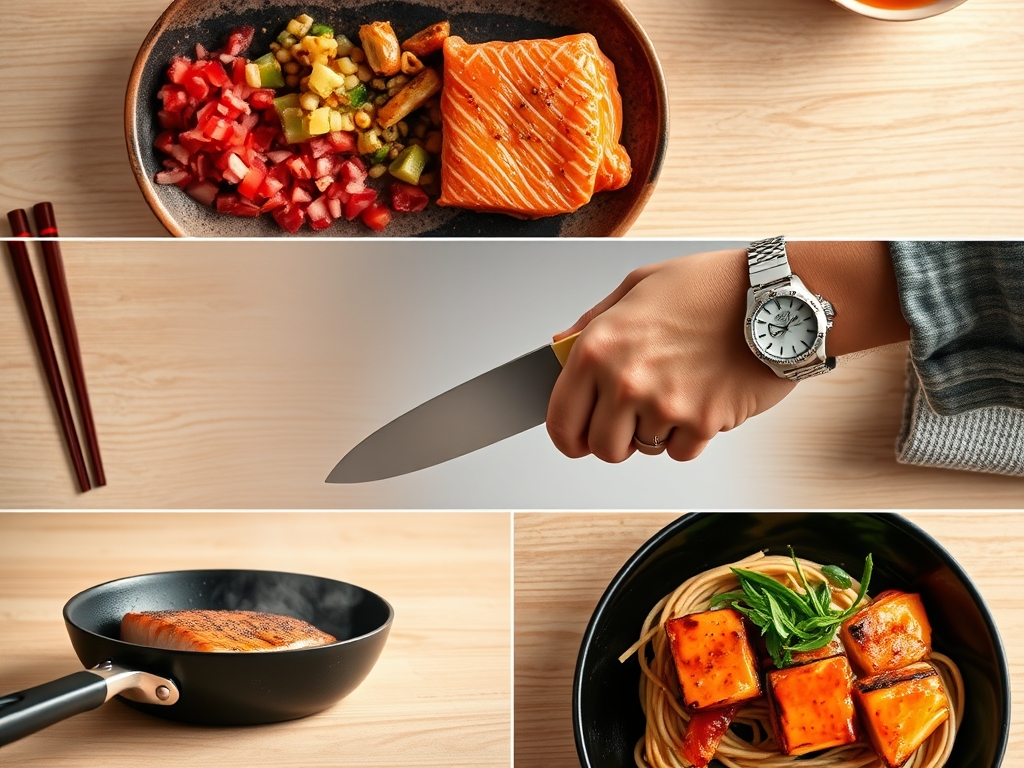
Pat the skin of the salmon bone-dry using paper towels. Moisture is the enemy of the Maillard reaction. If the surface is damp, the fish will steam rather than sear. Use a bench scraper to clear your board and keep your workspace tidy.
Pro Tip: This is known as surface dehydration. Removing moisture allows the proteins and sugars to react at higher temperatures, creating that golden-brown crust and complex flavor profile.
2. The Cold Start Emulsion
Whisk your marinade ingredients in a small saucier. Do not just stir; you want to aerate the mixture slightly to ensure the oil and acids are temporarily emulsified. This ensures every inch of the fish gets an equal coating of flavor.
Pro Tip: Emulsification prevents the oil from separating during the cooking process, which ensures the sugars in the honey or mirin caramelize evenly across the fillet.
3. The Searing Phase
Heat a heavy-bottomed skillet over medium-high heat. Add a high-smoke-point oil like avocado or grapeseed. Place the salmon skin-side down and press firmly with a flexible spatula for 30 seconds. This prevents the skin from curling as the collagen contracts.
Pro Tip: This technique manages thermal expansion. By holding the fish flat, you ensure maximum contact with the heat source, resulting in a uniform, glass-like skin texture.
4. The Glaze Application
Once the skin is crispy, flip the fish carefully with tongs. Pour your glaze into the pan. The liquid will immediately bubble and reduce. Use a spoon to continuously baste the top of the fish with the thickening sauce.
Pro Tip: This is a form of deglazing. The liquid picks up the fond (browned bits) from the bottom of the pan, incorporating those concentrated flavors back into your sauce.
5. The Carryover Finish
Remove the salmon from the heat when the internal temperature hits 125 degrees Fahrenheit. Place it on a warm plate and pour the remaining glaze over it. Let it rest for at least three minutes before serving.
Pro Tip: Thermal carryover will continue to cook the fish after it leaves the pan, raising the internal temperature by another 5 to 10 degrees. Pulling it early ensures a moist, tender flake.
The Deep Dive:
From a nutritional standpoint, salmon is a powerhouse. It is loaded with Omega-3 fatty acids, which are essential for brain health and reducing inflammation. A standard six-ounce serving provides roughly 34 grams of high-quality protein and zero carbohydrates, making it a staple for many lifestyles.
Dietary Swaps:
For a Vegan alternative, use thick slabs of cauliflower or firm tofu, pressing them well to mimic the salmon's density. Keto followers should swap honey for a monk fruit sweetener to keep the glycemic index low. For a Gluten-Free version, always reach for tamari instead of traditional soy sauce, which contains wheat.
The Fix-It:
- White Stuff Appearing: This is albumin, a protein that pushes out when fish is cooked too fast. Fix: Lower your heat and pull the fish sooner.
- Soggy Skin: This happens when the pan isn't hot enough. Fix: Ensure the oil is shimmering and tiny wisps of smoke appear before adding the fish.
- Burnt Glaze: The sugars in asian inspired salmon recipes can burn quickly. Fix: Add a tablespoon of water or broth to the pan to lower the temperature and loosen the sauce.
Meal Prep:
To reheat salmon without it becoming rubbery, avoid the microwave. Instead, place it in a lidded pan with a splash of water over low heat. This creates a steam chamber that gently warms the fats without tightening the protein fibers.
The Wrap-Up:
Mastering asian inspired salmon recipes is like learning a new language; once you understand the grammar of heat and the vocabulary of umami, you can compose anything. You now have the technical skills to sear, glaze, and rest your way to a five-star meal. Don't be afraid to experiment with different aromatics or textures. Cooking is a science, but eating is an art. Now, get into that kitchen and make something incredible!
The Kitchen Table:
How do I get the skin extra crispy?
The secret is a bone-dry surface and a hot, heavy-bottomed skillet. Pat the skin with paper towels and use a high-smoke-point oil. Press the fillet down firmly with a spatula for the first thirty seconds to ensure even contact.
Why is my salmon dry inside?
Dryness is usually caused by overcooking. Salmon continues to cook after being removed from the heat due to thermal carryover. Aim to pull the fish at 125 degrees Fahrenheit and let it rest for five minutes to reach a perfect medium.
Can I use frozen salmon for these recipes?
Yes, but thaw it completely in the refrigerator first. Pat it extremely dry to remove excess moisture from the freezing process. This ensures you still achieve a proper sear and prevents the fish from steaming in its own juices.
What is the best way to store leftovers?
Store leftover salmon in an airtight container for up to two days. To maintain quality, reheat it gently in a pan with a lid and a splash of water. This creates steam, which prevents the delicate fats from drying out.