
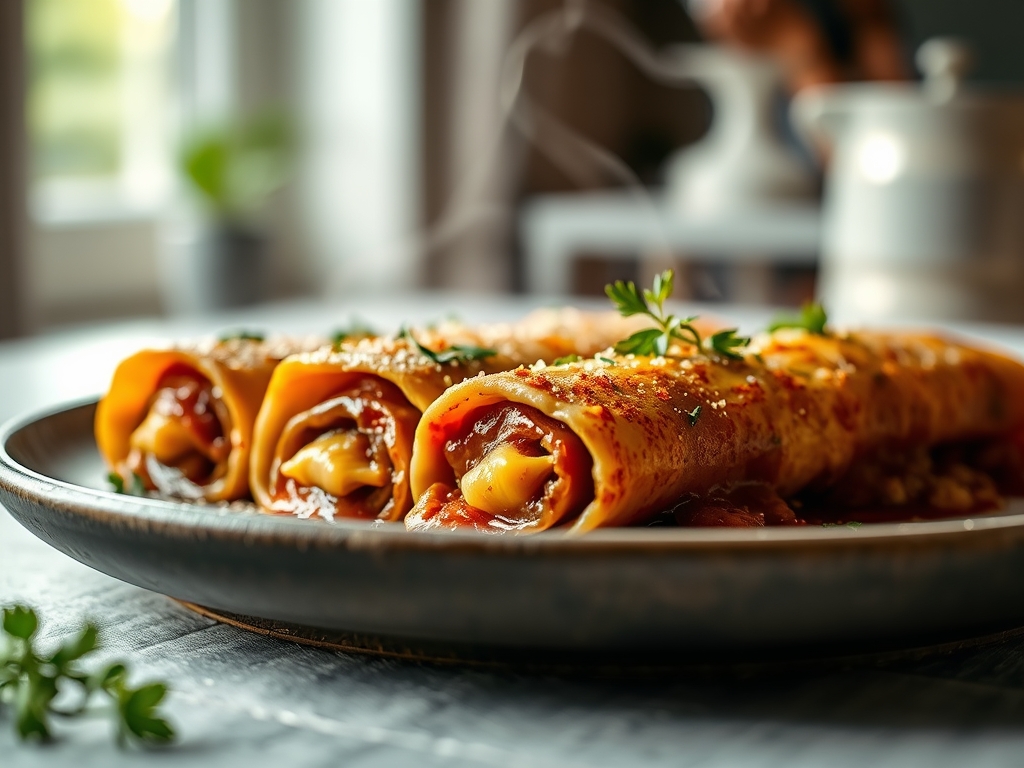
Picture the scene. It is a rainy Tuesday evening; your kitchen is filled with the intoxicating scent of toasted nutmeg and searing fat. You are about to master the art of cannelloni beef recipes. This is not just a pasta bake. It is a structural engineering project where silk-smooth pasta meets a rich, savory beef core.
The secret to a truly transformative cannelloni lies in the tension between the acidity of the tomato and the creamy, velvet-like texture of a perfect bechamel. Most people settle for a watery, bland filling that leaks out of the tubes. We are not most people. We are going to harness the power of the Maillard reaction to ensure every bite of your cannelloni beef recipes is packed with deep, caramelized complexity. Whether you are hosting a high-stakes dinner party or just treating yourself to some culinary therapy, these six hacks will turn your kitchen into a high-end trattoria. We are talking about precision, flavor layering, and the kind of cheese pull that dreams are made of. Grab your apron; it is time to get technical with our comfort food.
The Gathers:
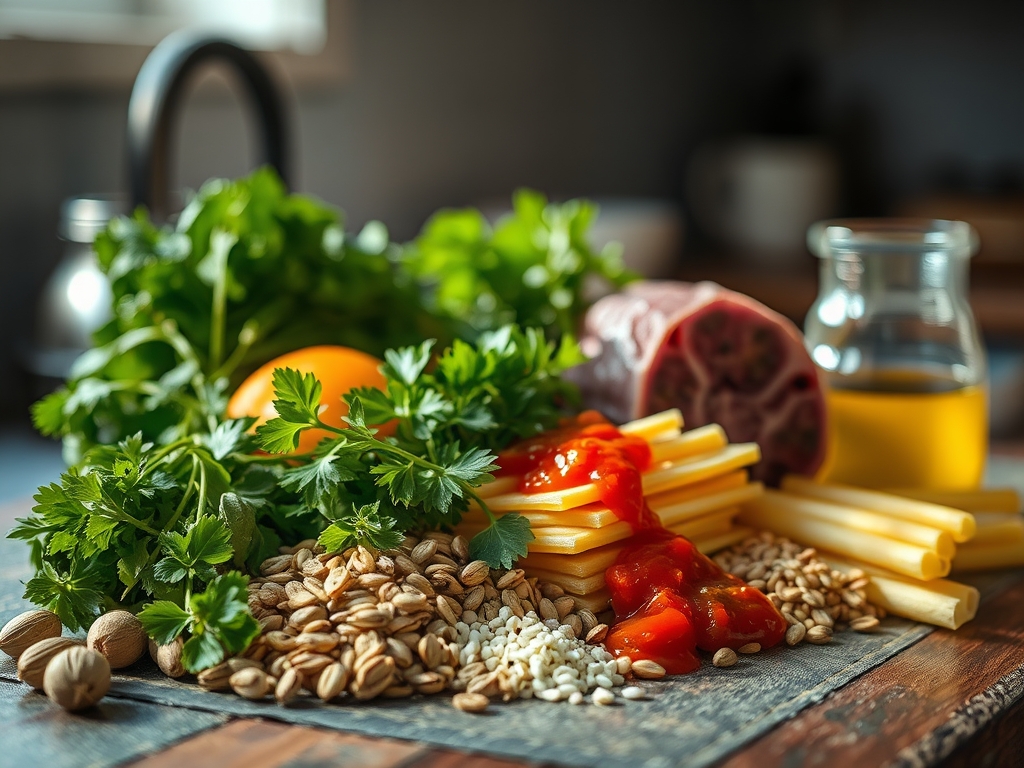
To achieve a professional-grade result, your mise-en-place must be impeccable. We start with the beef. Look for a 15 percent fat ratio; this ensures the filling stays succulent without becoming greasy. You will need high-quality pasta tubes, or better yet, fresh lasagna sheets that you can roll yourself for a more delicate mouthfeel.
For the sauce, gather San Marzano tomatoes. Their low acidity and high sugar content provide a viscous base that clings to the pasta. You will also need whole milk, unsalted butter, and "00" flour for the bechamel. The aromatics are non-negotiable: fresh garlic, shallots, and a bouquet garni of thyme and bay leaves. Use a microplane to grate fresh Parmigiano-Reggiano and nutmeg. The nutmeg contains myristicin, which provides a warm, piquant undertone that cuts through the heavy fats of the dairy.
Smart Substitutions: If you are looking to lighten the profile, swap half the beef for finely minced cremini mushrooms. Mushrooms contain high levels of guanylate, a natural flavor enhancer that mimics the umami of meat. For a dairy-free alternative, a cashew-based cream infused with nutritional yeast provides a similar emulsified richness to traditional bechamel.
The Clock:
Efficiency in the kitchen is all about the Chef's Flow. Expect about 40 minutes of active prep time and 35 minutes of baking.
- The Foundation (0-15 mins): Sauté your aromatics and brown the beef in a heavy-bottomed skillet. This is where you build the base flavors.
- The Construction (15-30 mins): While the filling cools, whisk your bechamel in a saucier to ensure no floury lumps remain.
- The Assembly (30-40 mins): Pipe the filling into the tubes. This is faster and cleaner than using a spoon.
- The Transformation (40-75 mins): Bake at 375 degrees Fahrenheit. The high heat is necessary to achieve the golden-brown crust known as the gratin.
The Masterclass:
1. The Sear and Deglaze
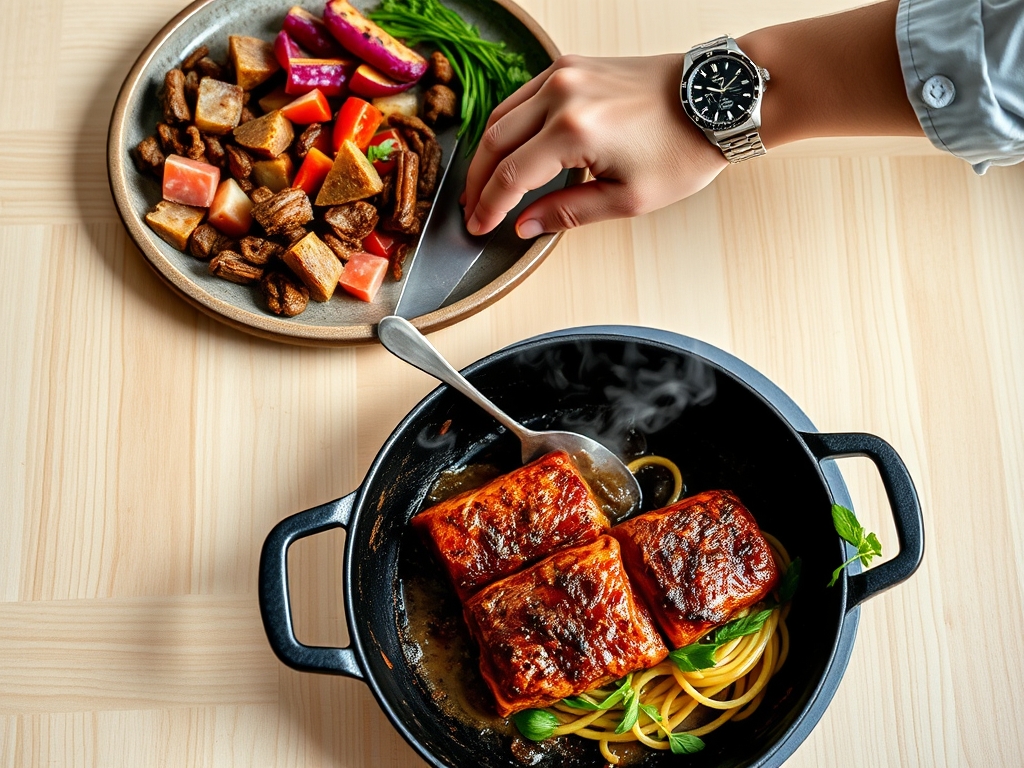
Start by browning your beef in small batches. Do not crowd the pan, or the meat will steam in its own juices rather than sear. Once a dark crust forms, use a splash of dry red wine to deglaze the pan, scraping up the browned bits (the fond) with a wooden spoon.
Pro Tip: This browning is the Maillard reaction, a chemical reaction between amino acids and reducing sugars that creates hundreds of different flavor compounds. Deglazing captures these molecules and incorporates them back into your sauce.
2. The Bechamel Emulsion
In a saucier, melt butter and whisk in flour to create a roux. Gradually add cold milk to the hot roux. This temperature differential helps prevent clumping. Whisk constantly to aerate the mixture and create a stable emulsion.
Pro Tip: Use a digital scale to measure your flour and butter exactly. A perfect 1:1 ratio by weight ensures the sauce is thick enough to coat the back of a spoon without becoming a paste.
3. The Filling Texture
Once the beef is cooked, pulse it briefly in a food processor or use a bench scraper to chop it into a fine, uniform consistency. Mix in a dollop of ricotta and your grated Parmigiano. The cheese acts as a binder, preventing the meat from falling out of the pasta.
Pro Tip: Allow the filling to cool completely before stuffing. This prevents the heat from prematurely softening the pasta tubes, which leads to a mushy final texture.
4. The Piping Technique
Transfer your cooled filling to a large piping bag. Snip the end to match the diameter of your cannelloni tubes. Hold the tube vertically and pipe from the bottom up to ensure there are no air pockets.
Pro Tip: Air pockets in the filling can cause the pasta to collapse or cook unevenly. A dense, fully packed tube ensures a consistent thermal conductivity throughout the dish.
5. The Sauce Layering
Spread a thin layer of tomato sauce on the bottom of your baking dish before adding the pasta. This creates a steam chamber that cooks the underside of the noodles. Top the tubes with the remaining tomato sauce, then pour the bechamel over the top in a decorative pattern.
Pro Tip: This layering prevents the pasta from sticking to the dish and ensures the noodles are fully hydrated by the moisture in the sauces.
6. The Final Gratin
Top the dish with a generous layer of mozzarella and extra Parmigiano. Bake until the cheese is bubbling and deep brown spots appear on the surface.
Pro Tip: This is thermal carryover. The dish will continue to cook for several minutes after being removed from the oven. Let it rest for 10 minutes to allow the internal structure to set before serving.
The Deep Dive:
Macro Nutrition: A standard serving of beef cannelloni provides approximately 450 calories, 25g of protein, 35g of carbohydrates, and 18g of fat. It is a balanced "power meal" rich in iron and calcium.
Dietary Swaps: For a Keto version, replace pasta with thin slices of grilled eggplant or zucchini. For Gluten-Free needs, use corn-based pasta tubes or GF crepes. To go Vegan, use a lentil and walnut "meat" and a cauliflower-based white sauce.
The Fix-It:
- Runny Sauce: If your sauce is too thin, simmer it uncovered for 10 minutes to reduce the water content.
- Crunchy Pasta: This happens if there is not enough sauce. Ensure the tubes are completely submerged or covered by sauce before baking.
- Broken Bechamel: If the sauce separates, whisk in a tablespoon of warm milk vigorously to re-establish the emulsion.
Meal Prep: Cannelloni is actually better the next day as the flavors infuse further. To reheat, add a tablespoon of water to the dish and cover with foil. This creates steam that restores the pasta's elasticity without drying out the beef.
The Wrap-Up:
You have now graduated from a home cook to a cannelloni connoisseur. By understanding the science of the Maillard reaction and the mechanics of a perfect emulsion, you have unlocked the secrets to world-class cannelloni beef recipes. Cooking is just chemistry you can eat, and you have just mastered a very delicious experiment. Now, pour yourself a glass of Chianti, grab your tongs, and serve up a masterpiece that would make any nonna proud.
The Kitchen Table:
How do I prevent cannelloni from getting soggy?
Ensure your beef filling is relatively dry and your bechamel is thick. Pre-cooking the pasta only to "al dente" or using dry tubes with extra sauce prevents the starch from over-hydrating and turning mushy during the baking process.
Can I freeze beef cannelloni before baking?
Yes. Assemble the dish completely but do not bake it. Wrap tightly in plastic wrap and foil to prevent freezer burn. Thaw in the refrigerator overnight before baking to ensure even heat distribution through the dense beef filling.
What is the best beef for cannelloni?
A 15 to 20 percent fat ground chuck is ideal. The fat provides essential moisture and flavor. Leaner blends can become grainy and dry, while higher fat content may cause the sauce to become excessively oily.
Why add nutmeg to the white sauce?
Nutmeg contains aromatic compounds that bridge the flavor gap between the savory beef and the creamy dairy. It adds a subtle "hidden" complexity that enhances the natural sweetness of the milk without overpowering the other ingredients.